Soldiers and Environment Agency teams train together
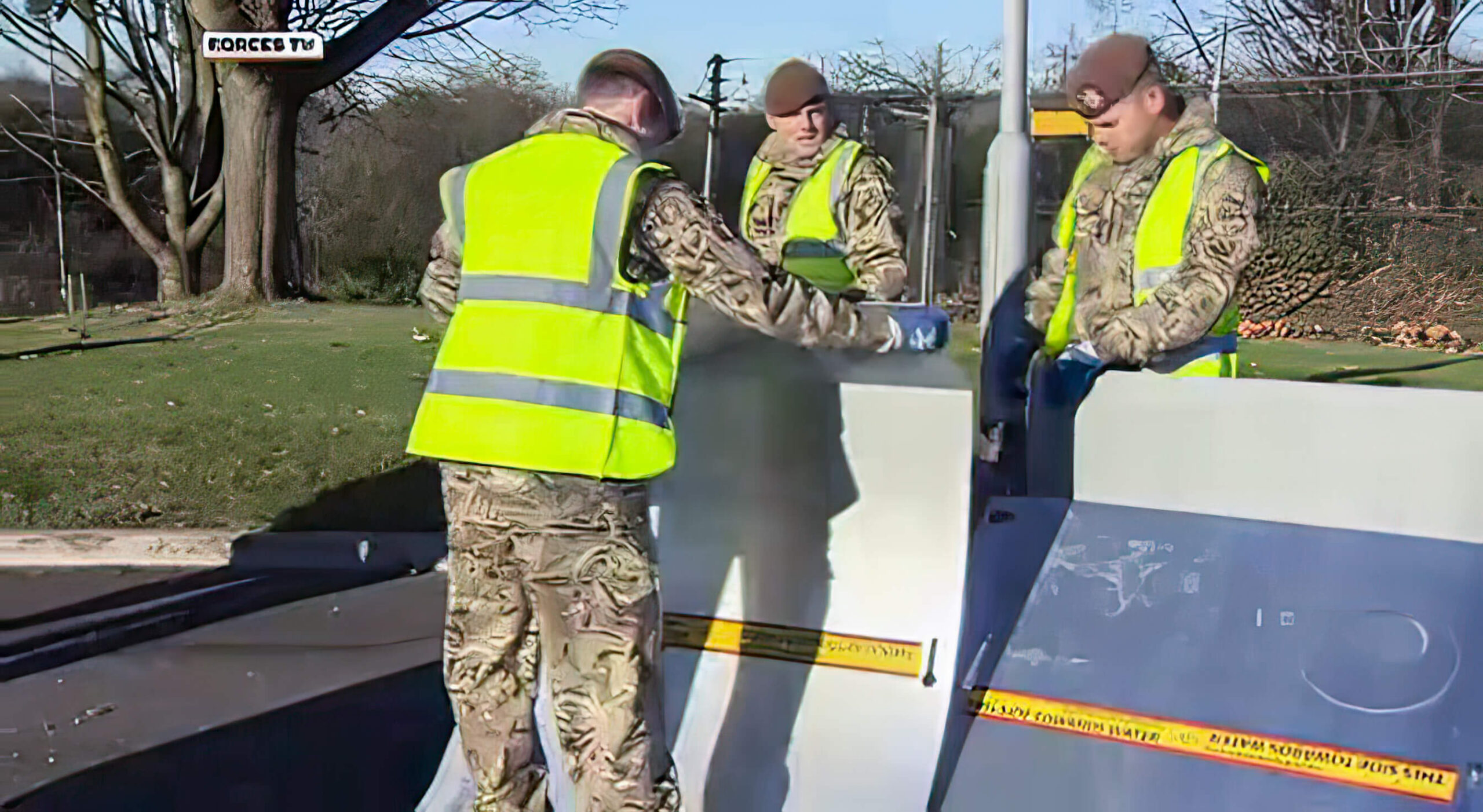
Army flood training in Wiltshire aimed to give the Environment Agency the extra hands it needs when temporary barriers must go up fast.
Soldiers from 5th Battalion The Rifles (5 RIFLES) and The King’s Royal Hussars joined the Environment Agency at a barracks in Wiltshire to practise putting up temporary flood barriers. The Wiltshire-based units were part of more than 1,200 troops placed on 24-hour standby across the country for winter 2016–17.
The Environment Agency set out what the Army could bring. Maria Herlihy, Operations Manager at the agency, said at the time: “This crucial partnership will strengthen our resilience, enabling battalions to be on hand to help with erecting temporary flood barriers, providing engineering and logistics support, and assisting with the evacuation of affected communities.”
Why army flood training matters for short-notice protection
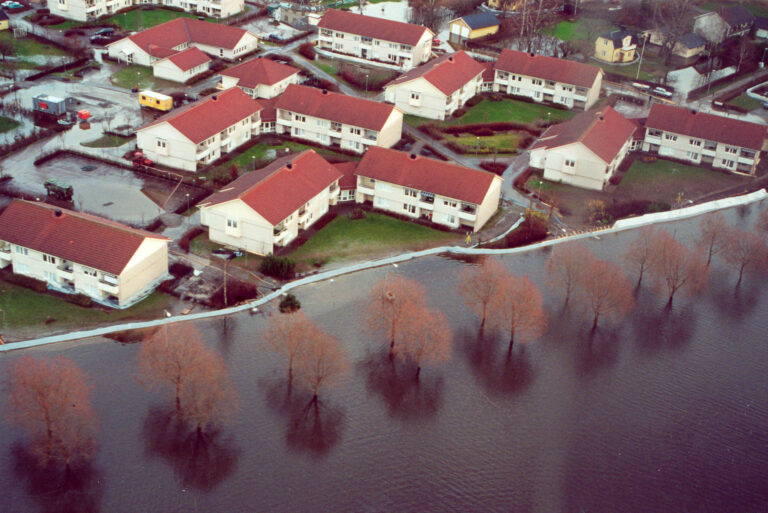
Permanent defences such as embankments and walls protect many communities, but heavy rain and flash flooding increasingly affect places that would not normally need protection. Lt Col Rod Small, Joint Regional Liaison Officer, described the problem in interview footage from the exercise: “Around the countryside, there’s a vast infrastructure of flood defenses like berms and walls. But with unexpected heavy rains leading to flash floods, we often find sites that wouldn’t typically get protection requiring it.”
This is where temporary mobile barriers come into play, allowing flexibility and a rapid response to these out-of-the-ordinary events.
Barriers in store, but hands needed
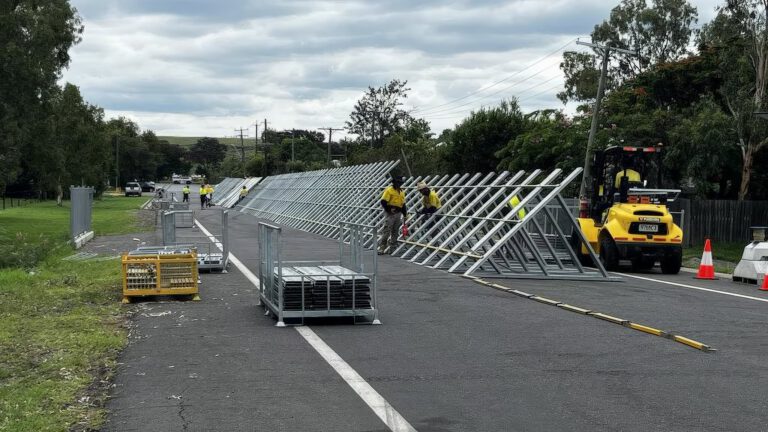
The Environment Agency held around 40 km of temporary barriers that winter, including the Industrial barriers used in the training. Deploying them at scale takes people, and that is where the Army comes in. Robbie Williams of the Environment Agency referred to Storm Angus, which brought strong winds and flooding in November 2016: “Following events like Storm Angus, we realized the magnitude of such situations. We have the barriers, but deploying them at short notice requires a significant workforce, and that’s where the army’s involvement becomes crucial.”
The community behind the work. Sgt Daniel Summer of The King’s Royal Hussars described what motivates the soldiers: “It’s about community. If my house was at risk and people stepped up to help, the gratitude would be immense. That’s the spirit we carry into these exercises, ensuring we can safeguard properties, valuables, and life savings.”
Faster military support in a flood
Alongside the training, procedures were revised to speed up military support to the Environment Agency during major flood incidents, so that trained soldiers can reach a flood area sooner once their help has been requested.
What UK organisations can take from this
Even a well-stocked agency needs trained people to turn equipment into protection. Military support is requested through the authorities and cannot be assumed for a single site, so asset owners should name and train their own installation team in their own flood response plan and choose flood barriers that team can realistically deploy in the time available.