Built overnight
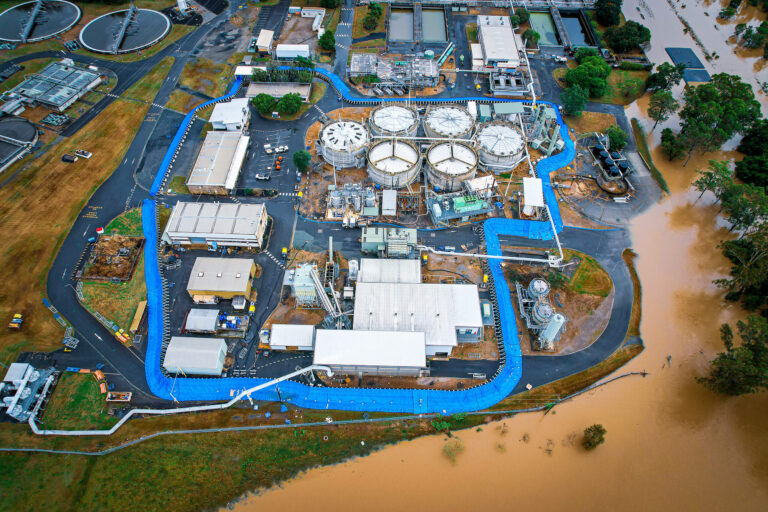
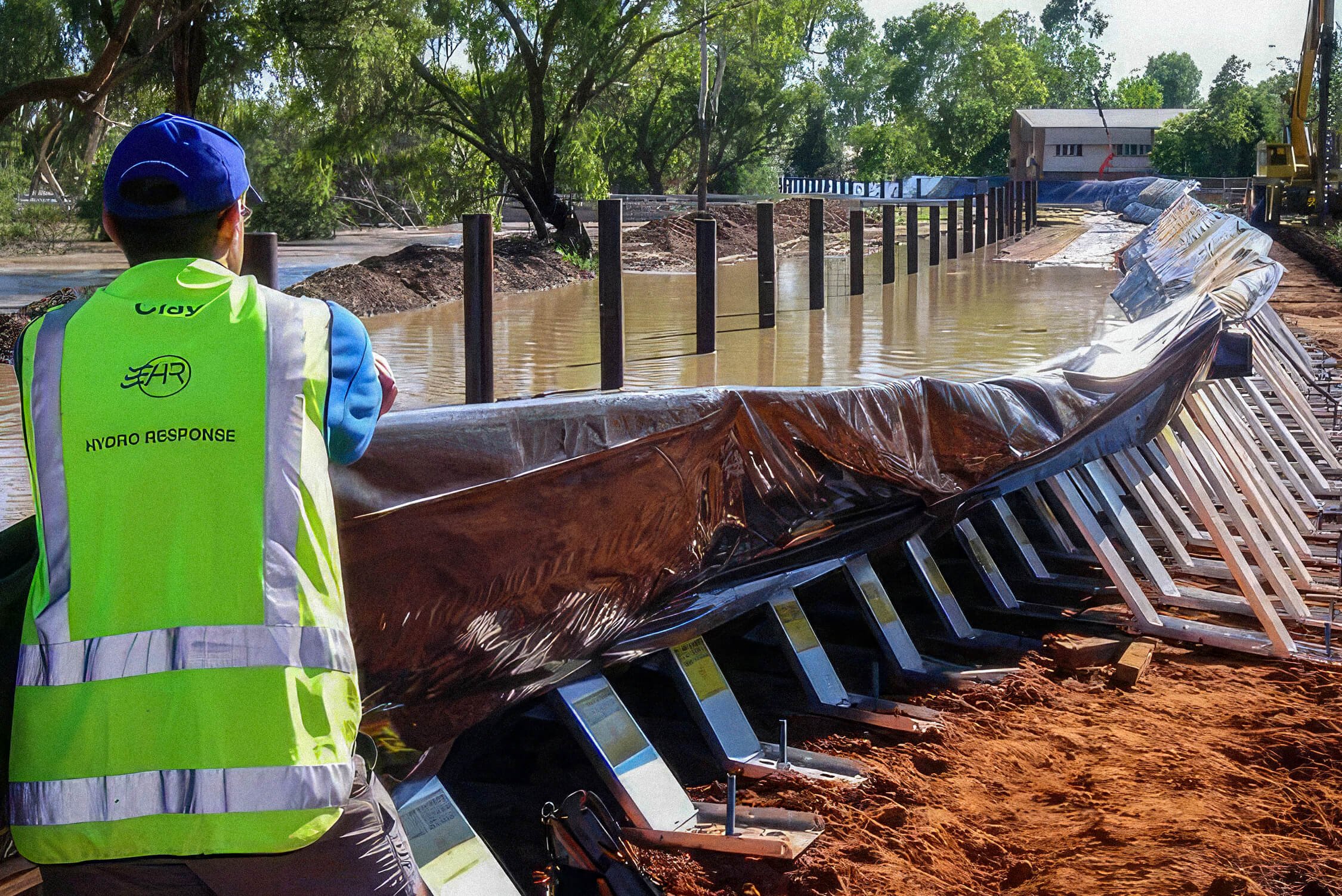
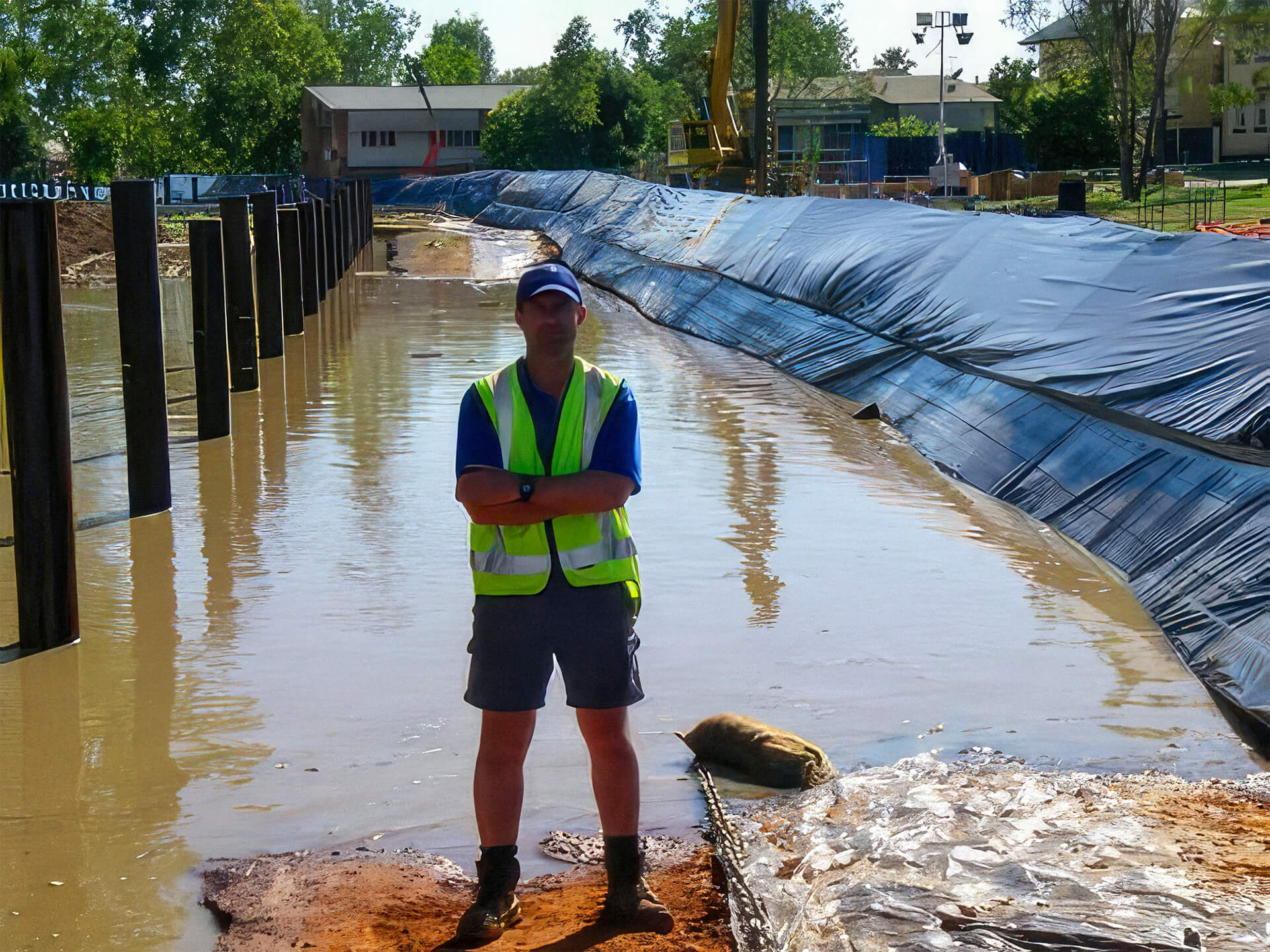
In January 2008, floodwater from the Warrego River threatened the town of Charleville in south-west Queensland. The response centred on a Geodesign Heavy Duty temporary levee – known locally simply as “the levee”.
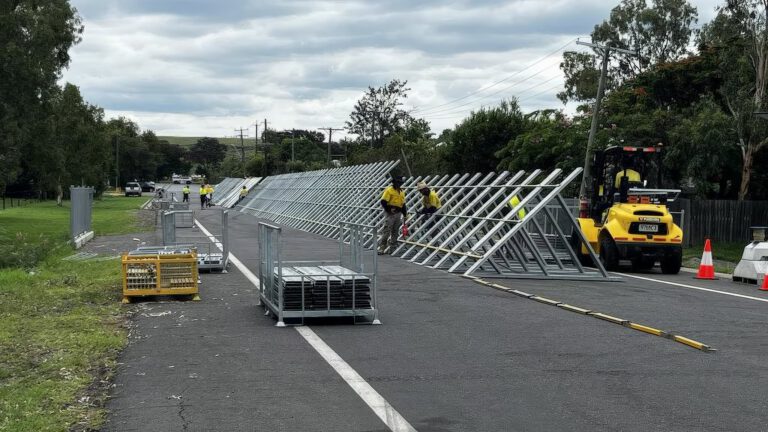
Geodesign’s representative Clay Griffin led the deployment. He and his team worked through the night alongside local volunteers to build the barrier, with strong support from the community.
“It held back the tide”
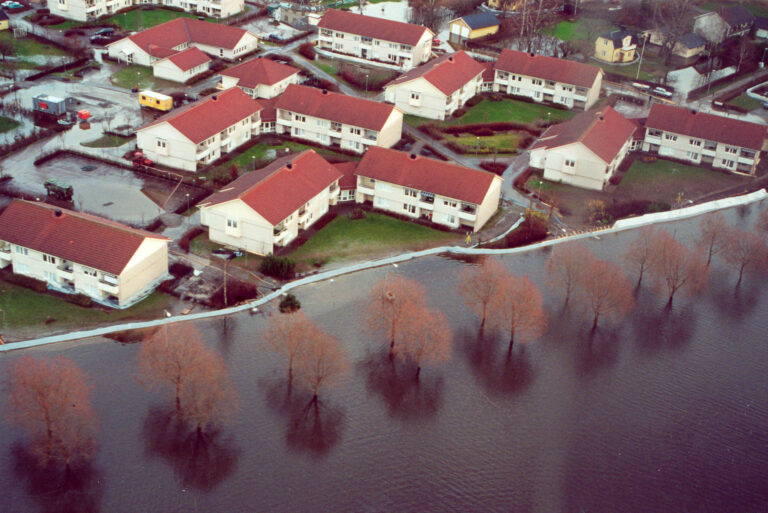
When the river peaked, the levee held. ABC News reporter Phil Wilmington summed it up:
“The levee bank that they had here, this played a critical part in how things went today… it did its job and it held back the tide,”
Prime Minister Kevin Rudd visited Charleville during the flood, and residents who had braced for the worst expressed relief.
“It really has saved our bacon this time,”
said one resident.
Recognition
According to the source, the combined effort – the barrier and the work of Clay Griffin and his team – was recognised with an award from the Queensland Department of Emergency Services, and the Premier of Queensland described the levee as the town’s salvation.
“Pretty soon it will be business as usual, but they won’t forget an historic day. They put the F word behind them,”
concluded Wilmington.
Four years later, the Warrego rose again in 2012 – and the temporary levee was needed once more.
Lessons for emergency deployments
- Know your window. An overnight build is possible only if the warning comes in time – see flood monitoring and lead time.
- Involve the community. Local volunteers can multiply the capacity of a small professional team.
- Write the lessons down. Capture what worked in a flood emergency response plan, so the next deployment starts from experience.