A landmark building by the Seine
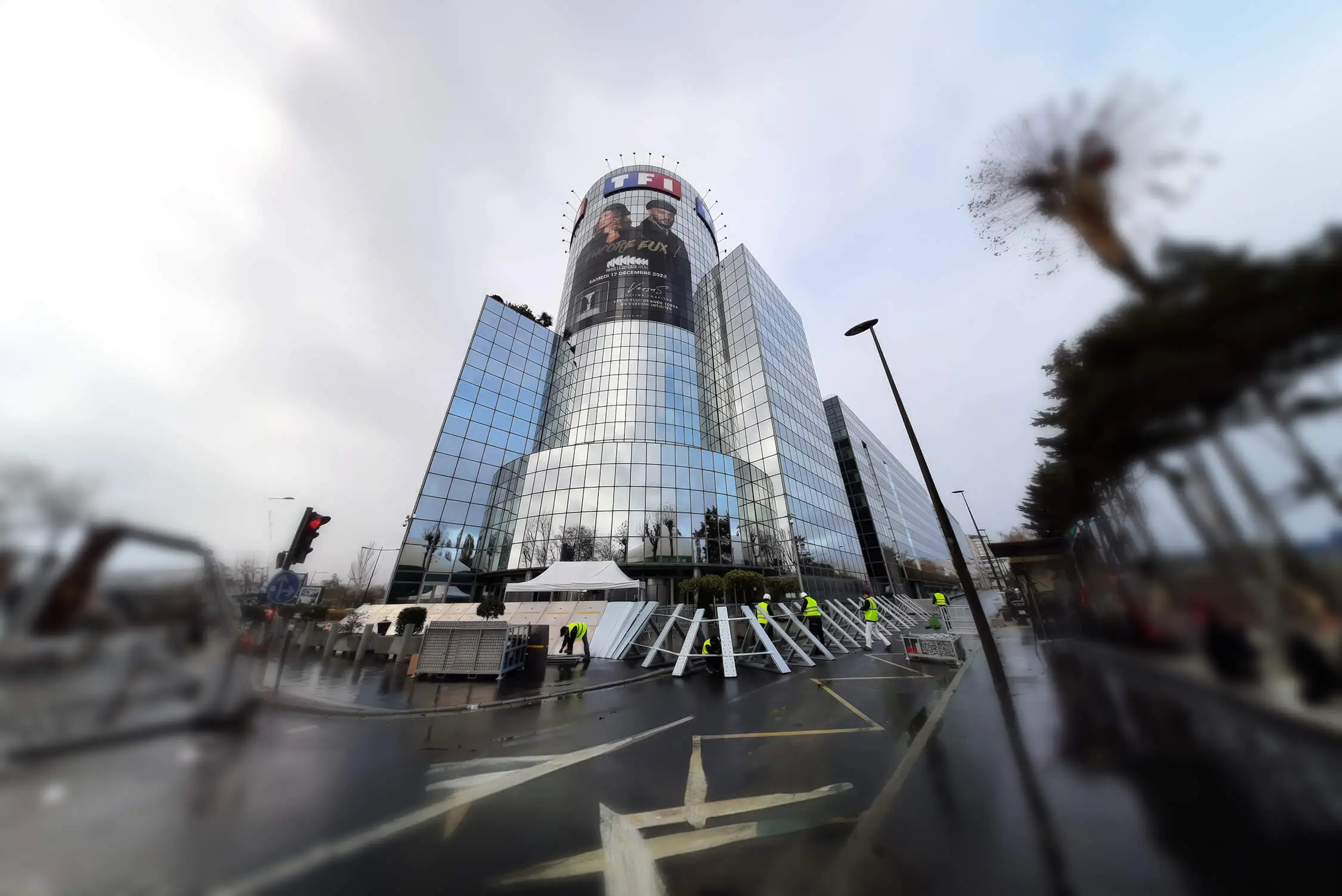
TF1, one of France’s leading television networks, has its headquarters in a tower on Quai du Point-du-Jour in Boulogne-Billancourt, close to the Seine.
The 59 m building has 14 floors and a total floor area of 45,000 m², and its cylindrical shape and reflective glass make it a local landmark. Keeping a broadcaster on air during a flood depends on protecting buildings like this.
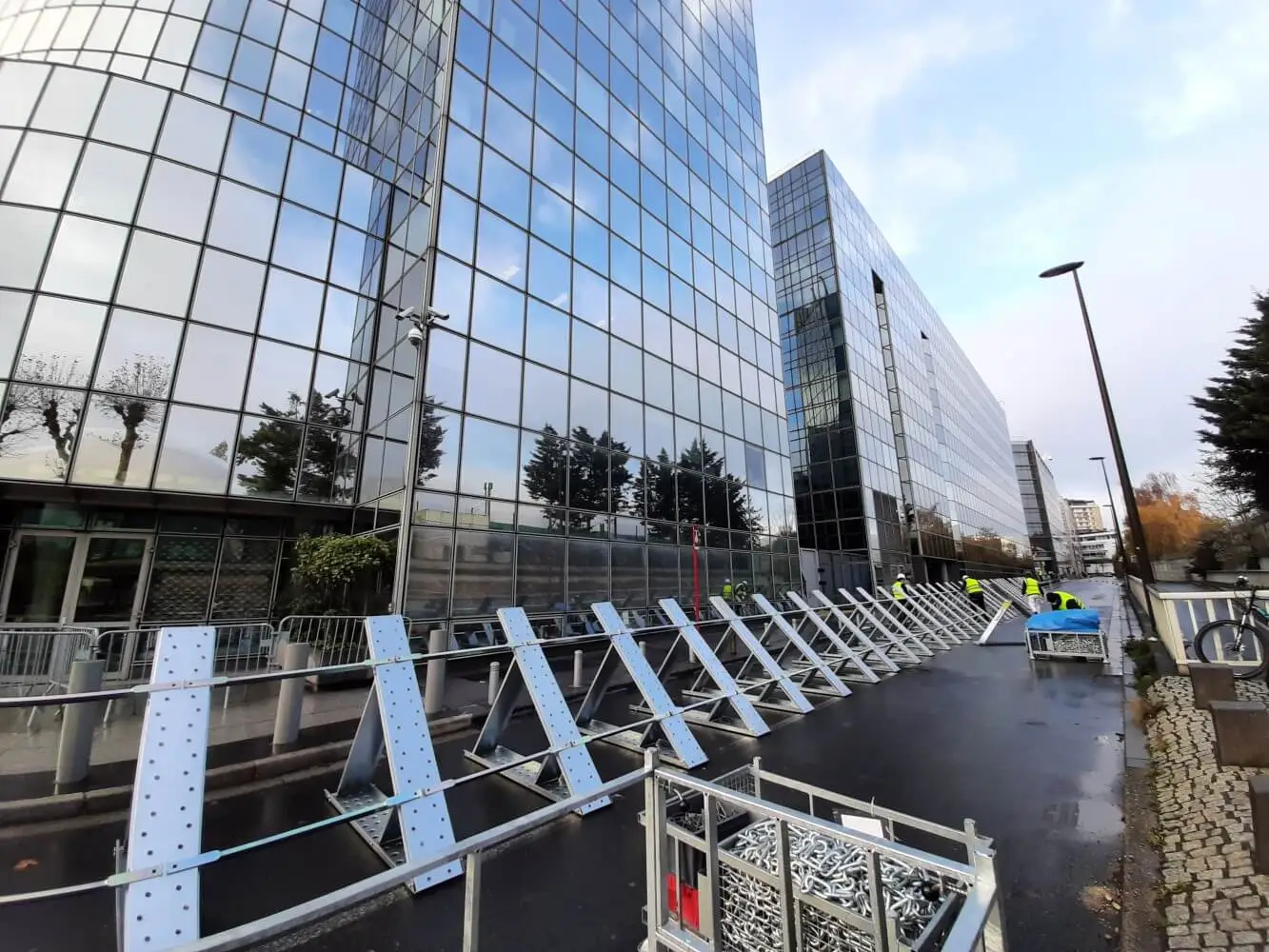
Why this system
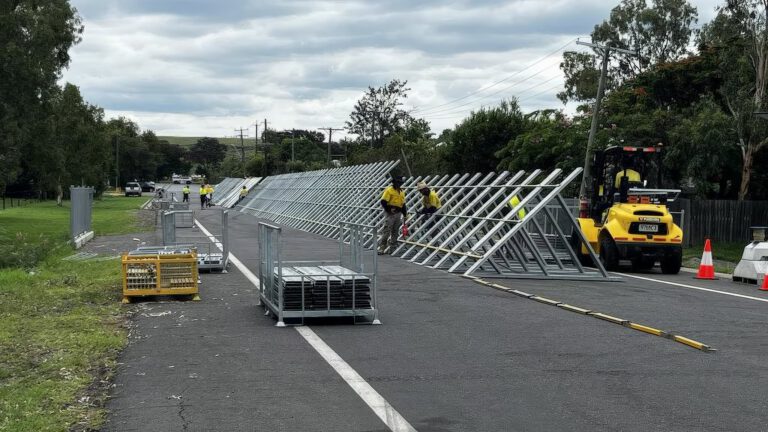
TF1 chose Geodesign’s Heavy Duty C152. The system combines a durable steel structure with components that are light enough to handle quickly, and it is assembled without specialist tools. It is reusable and cost-effective compared with sandbags.
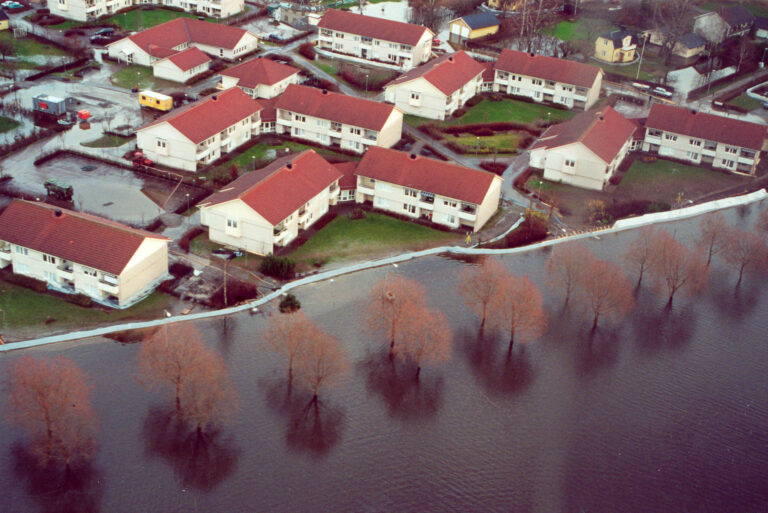
The barrier is designed to work under substantial water pressure, forming a temporary flood wall that keeps water away from the building.
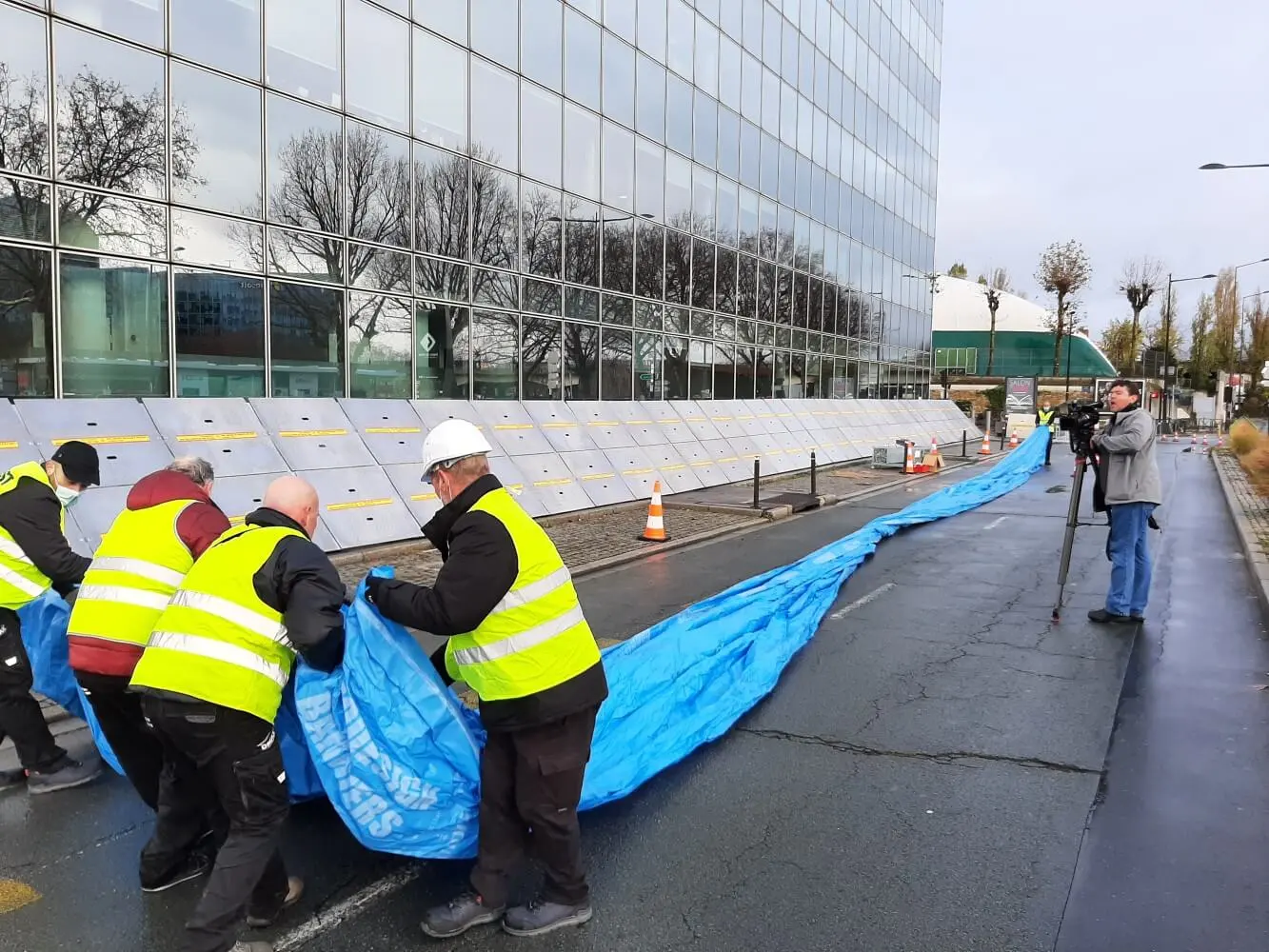
Training the in-house team
In November, TF1 set up the barrier around its headquarters as a training exercise. The technical teams practised the full installation sequence – from placing the steel frames to rolling out and securing the membrane – while the organisation checked how well the system would protect the site from a Seine flood.
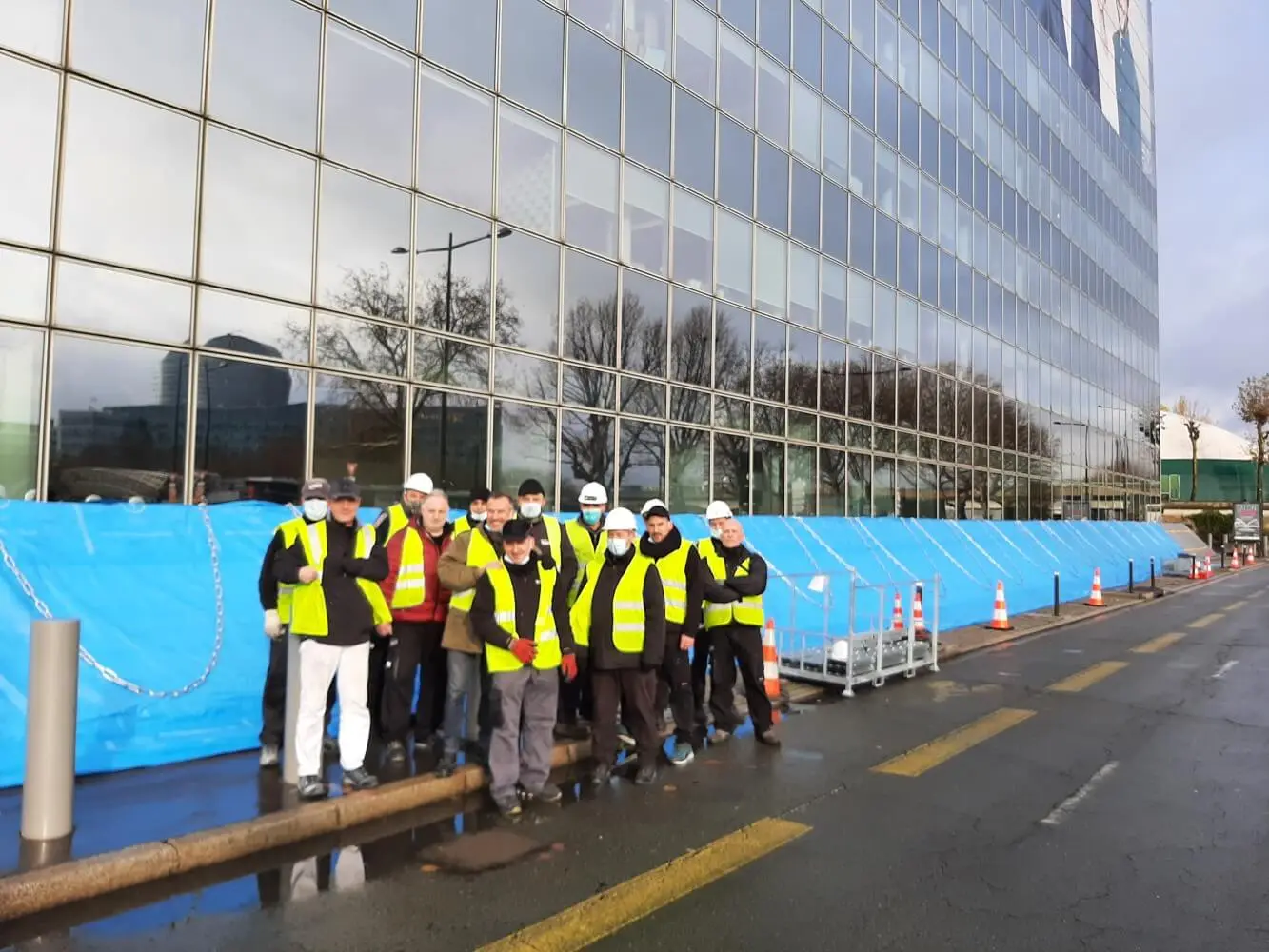
Commitment to continuity
By buying the equipment and training its own staff, TF1 has made flood protection part of its business continuity planning, so that broadcasting can continue during a natural disaster.
Lessons for building owners and facility managers
- Train before you need it. A barrier is only as fast as the team that installs it. Rehearsals show how long each step really takes.
- Plan around the building. Entrances, street furniture and traffic all affect where the line can go.
- Document the procedure. Add the deployment sequence, roles and trigger levels to your flood emergency response plan.
ASML took a similar approach at its research campus in California. To discuss a training-led deployment for your own site, contact our team.