Flooding is not only a coastal problem
Flooding is often thought of as something that happens only on coasts and riverbanks. In reality, towns and cities far from the sea can flood too – as England and Wales saw during the floods of 2022.
Modern building methods and the way rainwater is channelled into drainage systems mean urban areas face their own risks, and the effects reach businesses, public organisations and residents alike.
Understanding the main types of floods helps you judge where water could come from, how much warning you are likely to get and what kind of flood protection makes sense.
Floods are usually grouped by where the water comes from. Each type develops differently and affects different places.
Coastal flooding
Coastal flooding happens along shorelines. It is often the result of other weather events: storm surges, sustained or sudden heavy rain and, in some regions, tropical cyclones that raise tide levels. Rising sea levels add to the risk over time.
Coastal floods can also push water up connected rivers into towns and nature reserves. Repeated flooding erodes shorelines and can damage local infrastructure.
River flooding
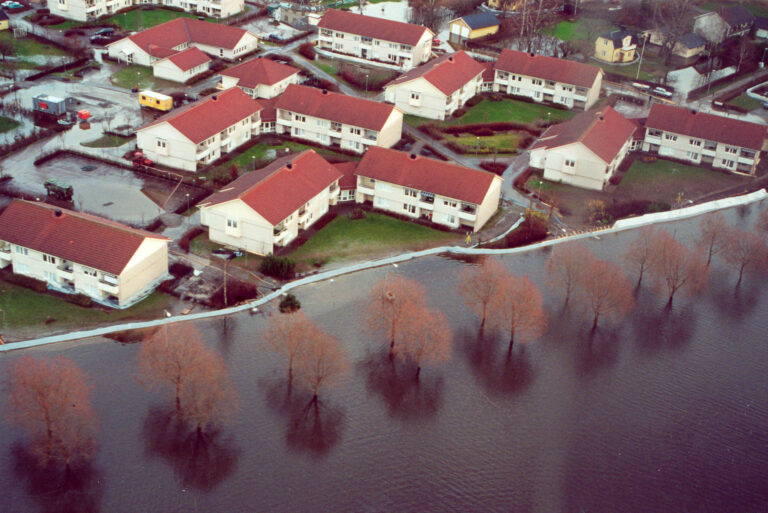
River (fluvial) flooding occurs when a river, stream or lake overflows its banks. Common causes include prolonged or heavy rainfall, snowmelt, obstructions in the channel, high groundwater that reduces capacity and, occasionally, the failure of flood defences or control structures. Depending on the volume of water and the shape of the valley, flooding can spread well beyond the banks into towns and cities.
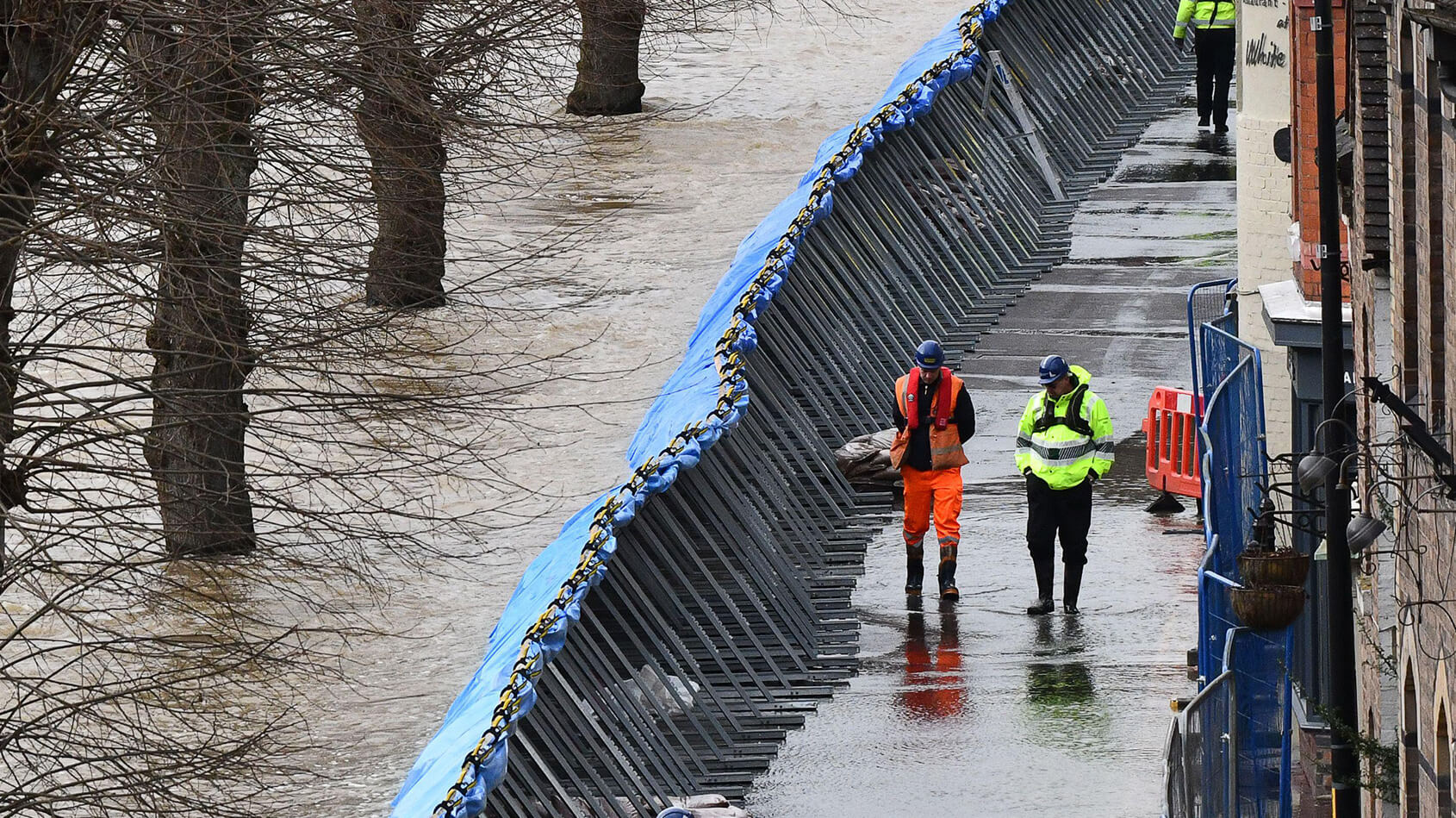
Forecasting gives some warning, but water levels can still rise quickly. Public flood risk management reduces the risk, yet communities in flood-prone valleys also need their own preparations. Storm Dennis in Ilkley is one example of a river flood response.
Flash flooding
Flash floods develop quickly, usually after intense rainfall, and leave little time to prepare. They are especially dangerous in low-lying areas and on ground that is already saturated, where they can put heavy pressure on buildings and destroy farmland without warning. In the United Kingdom, for example, parts of Cheshire, North Yorkshire and central London have received a month’s worth of rain in 24 hours.
Urban flooding, pluvial flooding and overland flow
As cities grow, more ground is covered by asphalt and concrete. Water that once soaked into the soil or evaporated now runs off, and drainage systems that were designed for smaller populations cannot always cope.
Pluvial (surface water) flooding happens when intense rainfall has nowhere to go. Water runs across the land as overland flow, collecting in streets, underpasses and basements and damaging whatever lies in its path. Measures that let water soak into the ground help, but many built-up areas also need protection for individual buildings and sites.
Climate and a changing risk
Most of these flood types are becoming more frequent as the climate changes and land use intensifies. Wherever people live – on the coast, in rural areas or in major cities – flooding is a realistic risk. For the United Kingdom, one projection cited by GreenMatch suggests that rainfall intensity could increase by up to 20% in summer and 25% in winter by 2070.
Alongside climate action, communities benefit from practical, accessible preparations that reduce structural damage and protect lives.
How temporary flood barriers fit in
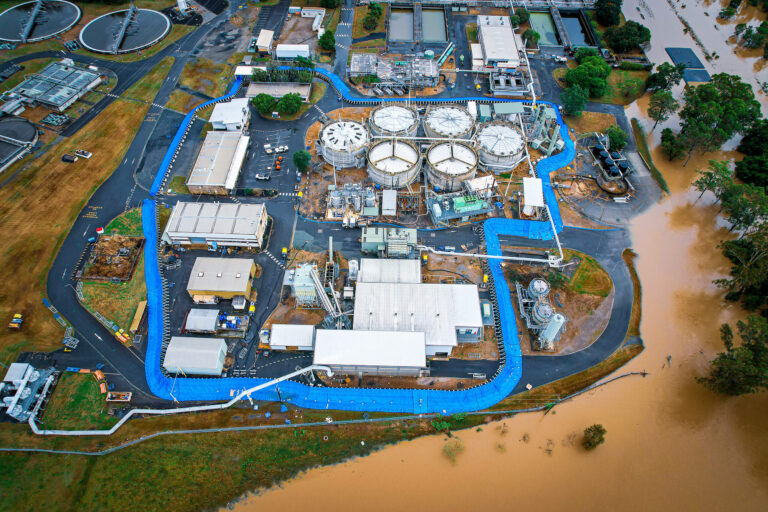
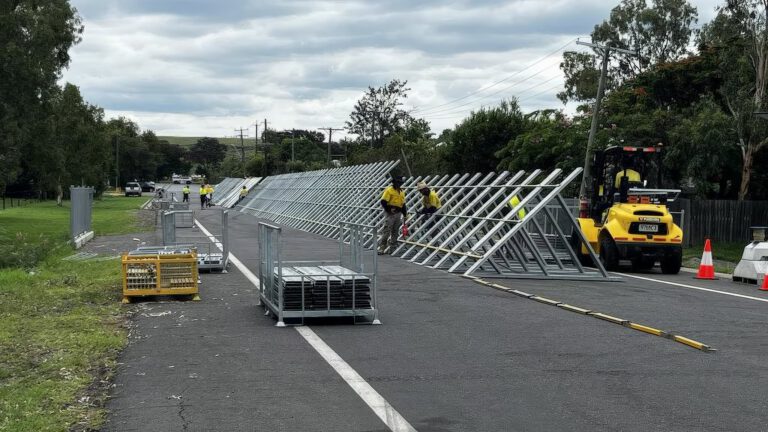
Prevention is better than cure, but many organisations and households cannot avoid exposure altogether. Temporary barriers are most useful where water gives some warning – river and coastal floods in particular – and where a permanent wall is not possible or not yet built.
A good starting point is a site-specific flood risk assessment: it shows which type of flooding you face and how much time you are likely to have. From there, you can compare temporary flood barriers and plan how they would be deployed.