Charleville holds the line
In January 2008, Charleville in South West Queensland faced a rising Warrego River with a Geodesign temporary flood barrier built overnight by crews and volunteers.
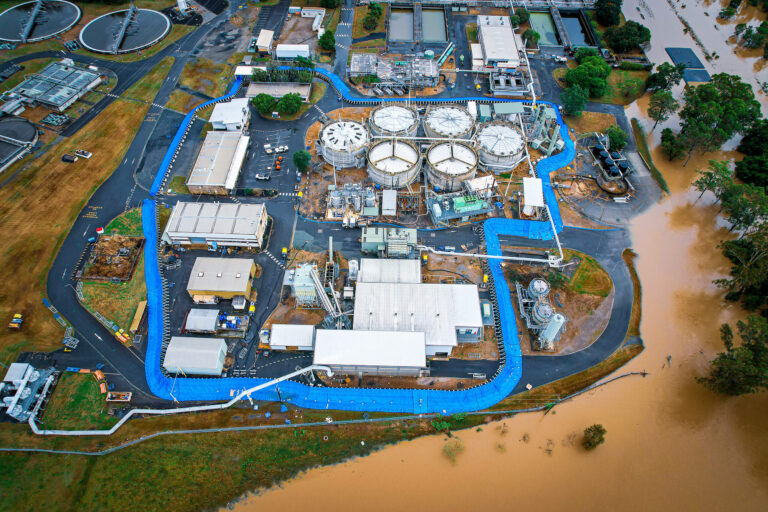
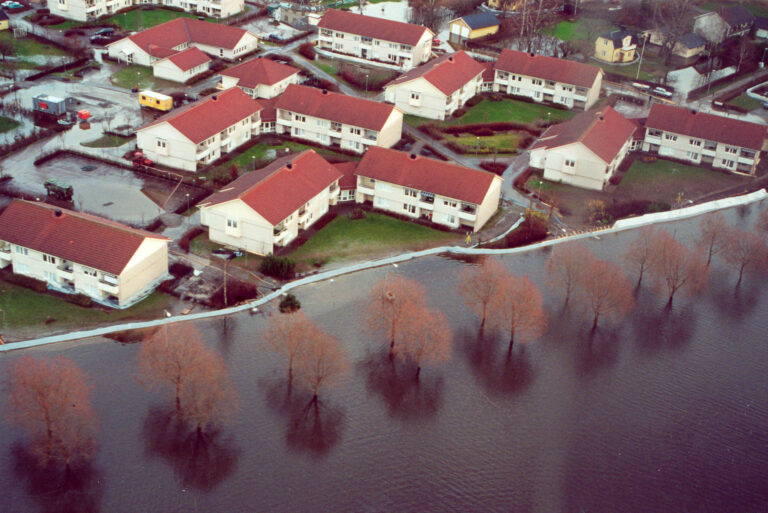
In January 2008, heavy rain sent the Warrego River rising towards Charleville in South West Queensland. The town came through without the widespread flood damage many had feared, and much of the credit went to a temporary flood barrier from Geodesign Barriers – known locally simply as "the levee" – that stood between the river and the town.
Built overnight
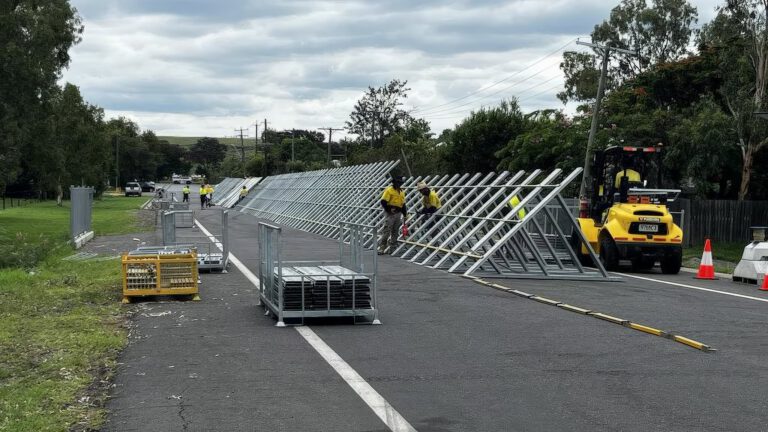
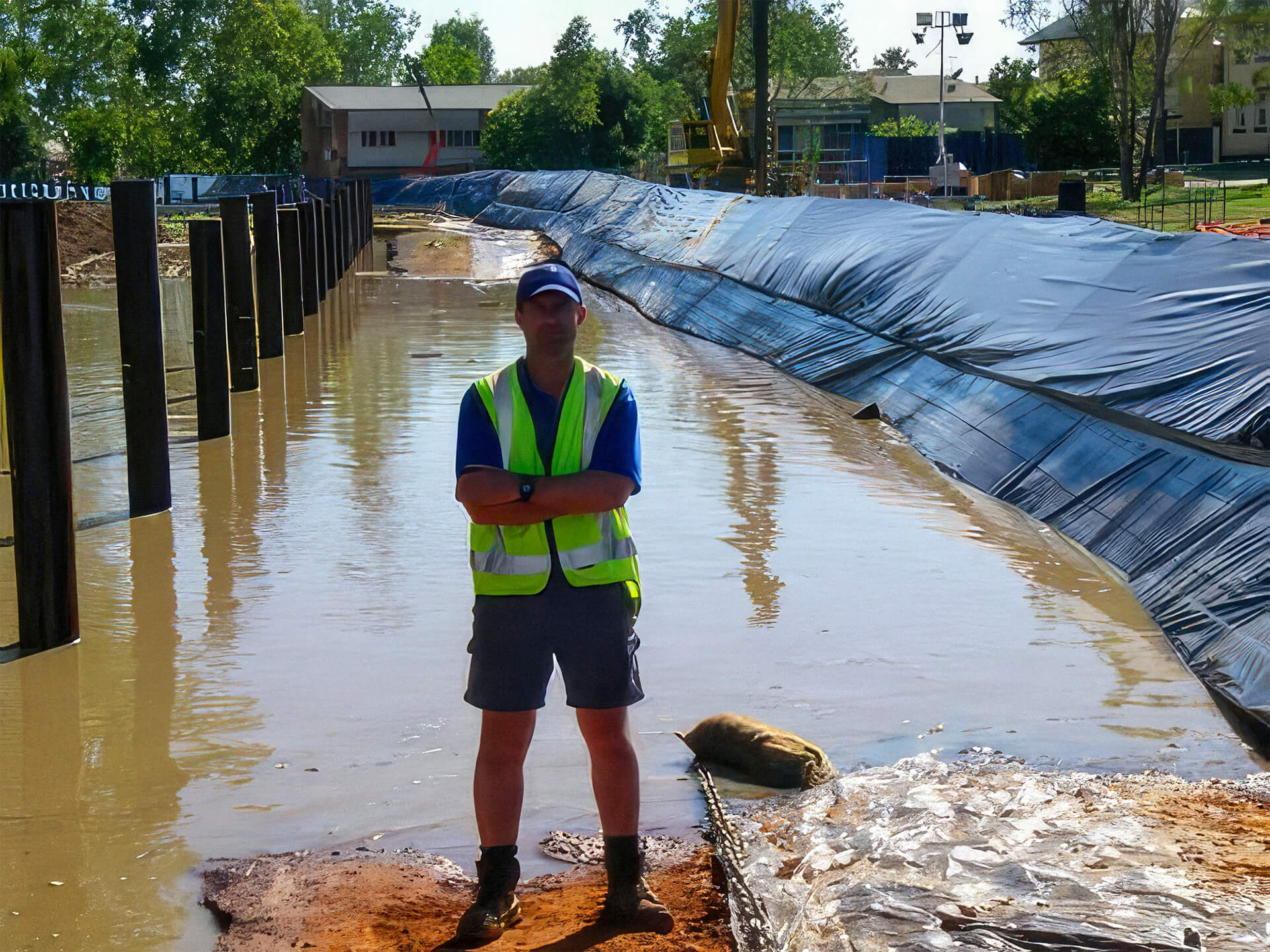
Emergency Management Queensland (EMQ), then the state's emergency management agency, coordinated the supply and transport of the barrier system. Two Australian Defence Force Hercules aircraft flew the barriers in from New South Wales late on 18 January 2008, and State Emergency Service (SES) members, council staff and community volunteers worked through the night, supported by flood response specialists from New Zealand and NSW SES members. By 5 am on 19 January, two sections of barrier – one about 300 metres long and the other about 75 metres – were in place.
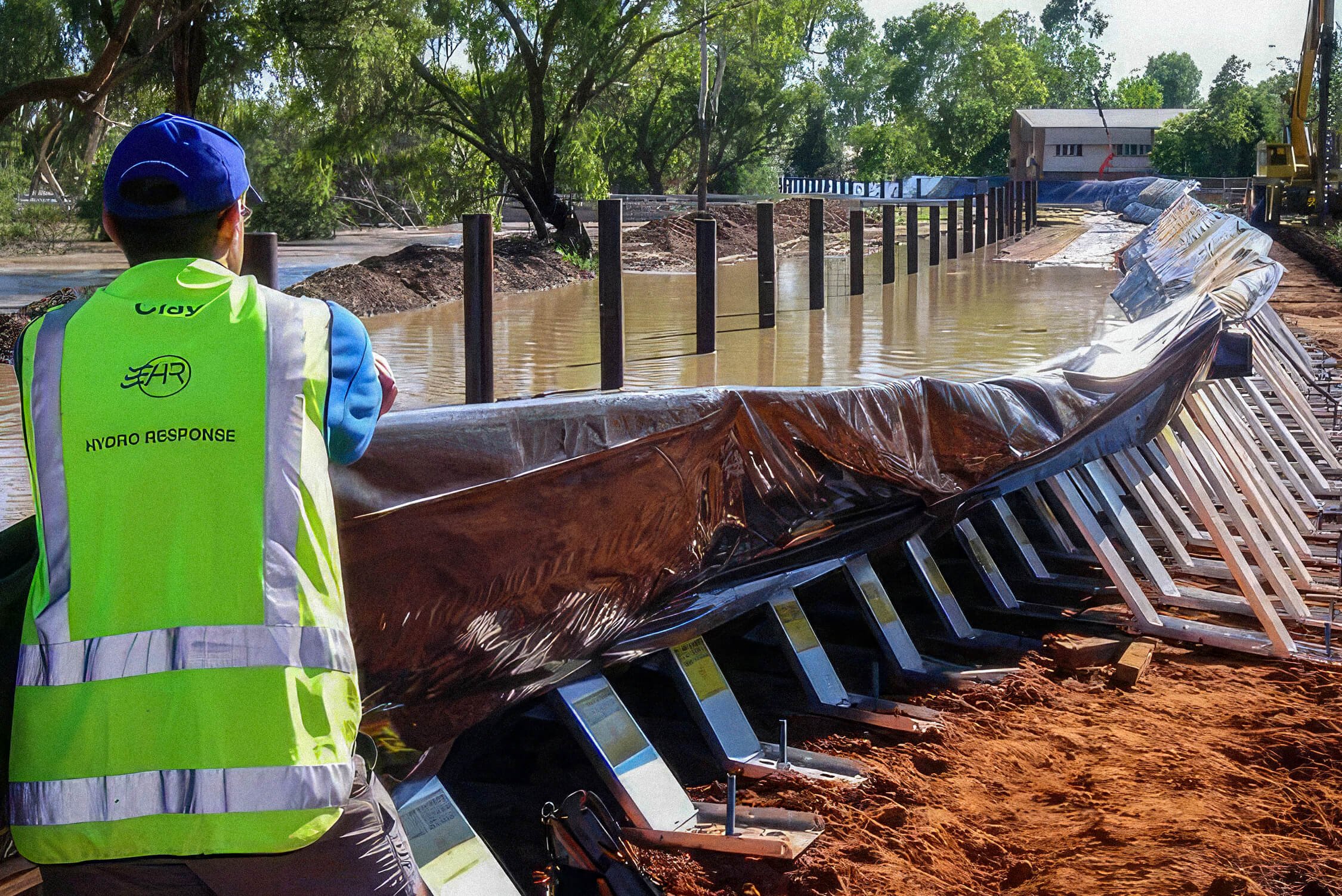
According to Geodesign, its representative Clay Griffin led the barrier team during the deployment, working through the night alongside local volunteers with strong community support.
The Warrego River peaked on 22 January 2008. Flooding along Bradleys Gully, which runs through the middle of town, still affected around 40 homes and businesses, but the barrier held back the river.
"The levee bank that they had here, this played a critical part in how things went today… it did its job and it held back the tide," ABC News reported at the time.
Recognition for the town's response
Prime Minister Kevin Rudd and Queensland Premier Anna Bligh visited Charleville on 20 January 2008, and the Prime Minister praised the town's flood response. For residents who had braced for the worst, the barrier's performance brought relief.
"It really has saved our bacon this time," one local resident said – a view shared widely in the community.
According to Geodesign, the joint effort by the barrier team, emergency services and volunteers was later recognised with an award from the then Queensland Department of Emergency Services.
A reminder of what preparation can achieve
Charleville's experience shows what a deployable barrier can do when equipment, transport, trained people and local volunteers come together quickly under a clear emergency plan for flood events. "Pretty soon it will be business as usual, but they won't forget an historic day," the ABC report concluded.
Four years later, the town relied on a Geodesign barrier again when the Warrego River rose even higher – read how Charleville's defences held in 2012. Today's Geodesign temporary flood barriers build on the company's Swedish roots in mobile flood protection.
Lessons for Australian communities
Charleville's barrier arrived by air and was installed in a single night, which only worked because agencies, the council, emergency services and volunteers could act together at short notice. Councils and state agencies can prepare for the same situation by agreeing in advance where temporary barriers are stored, how they will be transported and who will install them once Bureau of Meteorology flood warnings are issued. Regular exercises help make sure that knowledge is still there when the next flood comes.