Three storms in one month
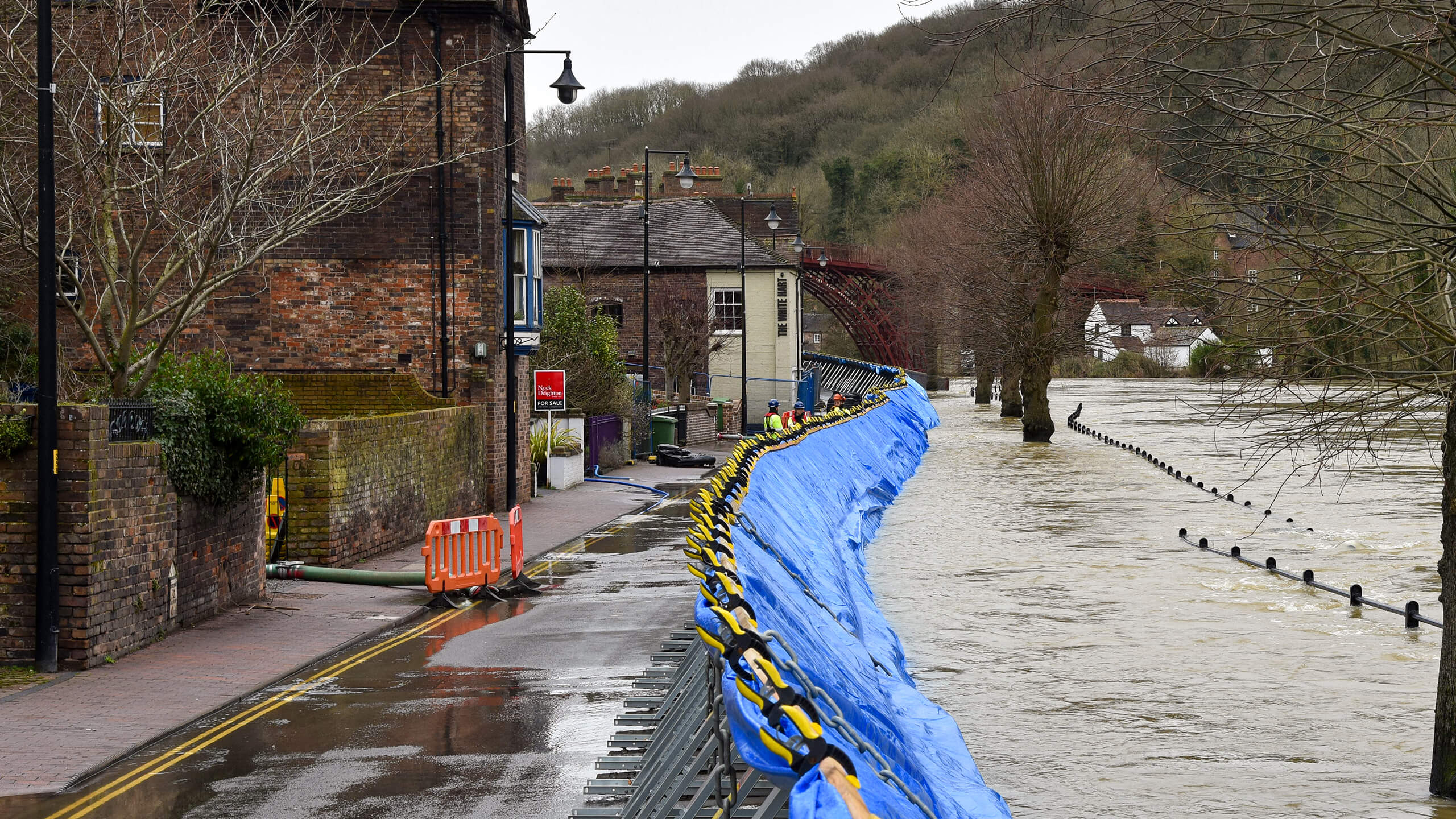
The Environment Agency's Heavy Duty C122 and C184 Geodesign barriers on the Wharfage were tested hard – including a moment when the river pushed sections of the line back.
Ironbridge in Shropshire lies within the Ironbridge Gorge World Heritage Site, and flooding from the River Severn is a regular part of life in the town. In February 2020, however, three storms in quick succession – Ciara, Dennis and Jorge – pushed the river to levels that put its temporary defences under severe strain.
Deployment along the Wharfage
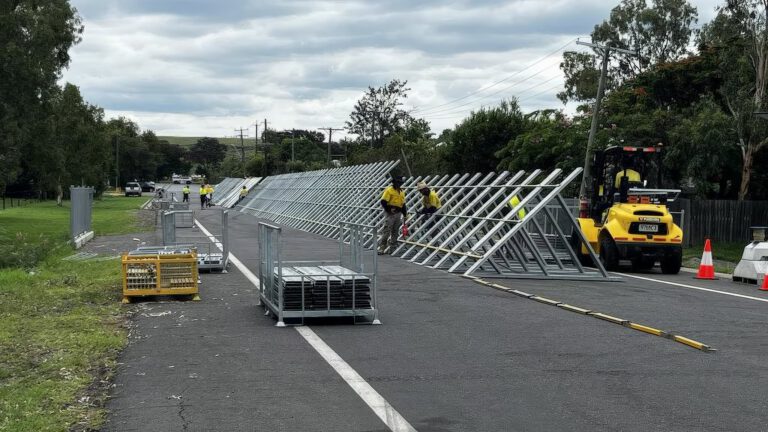
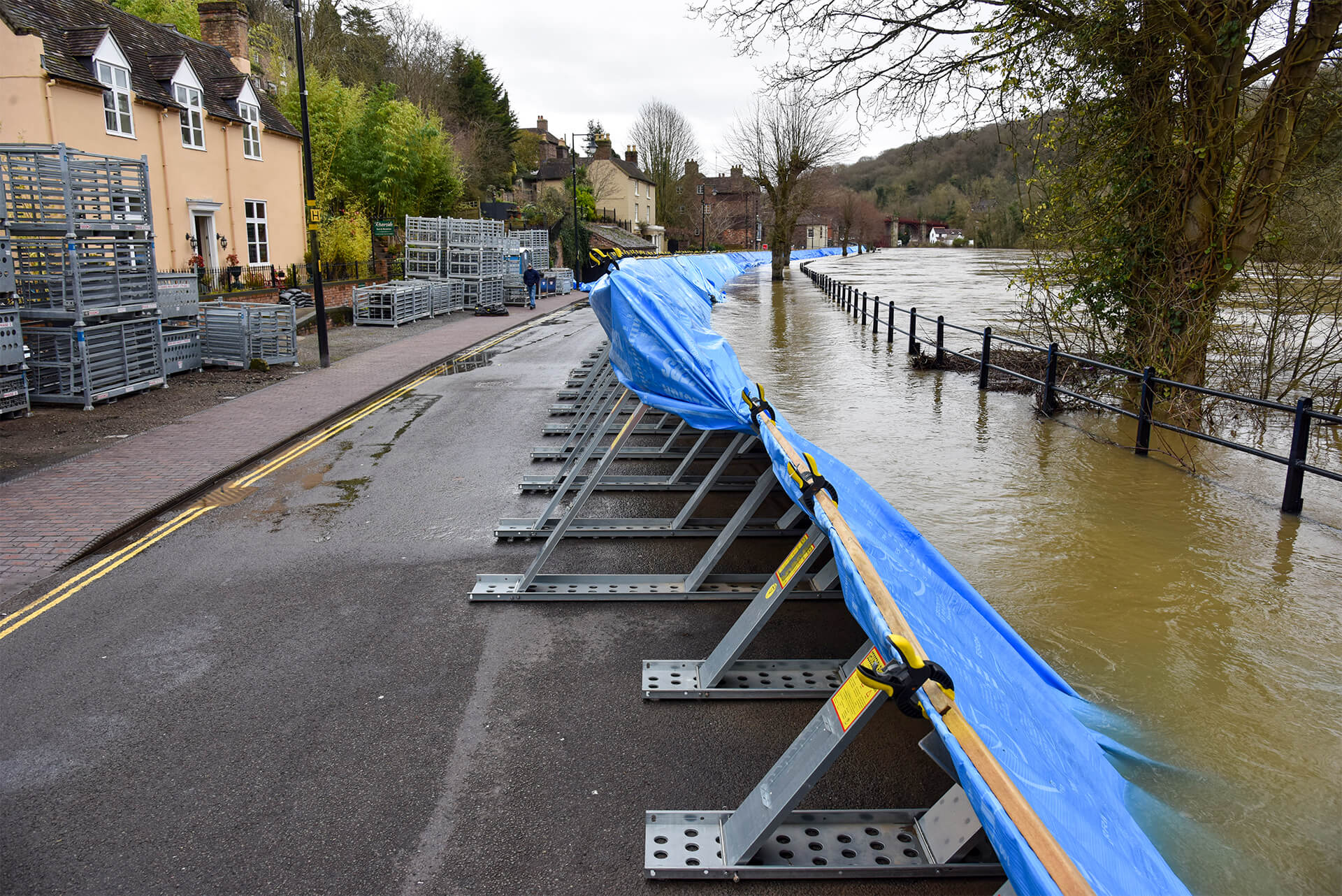
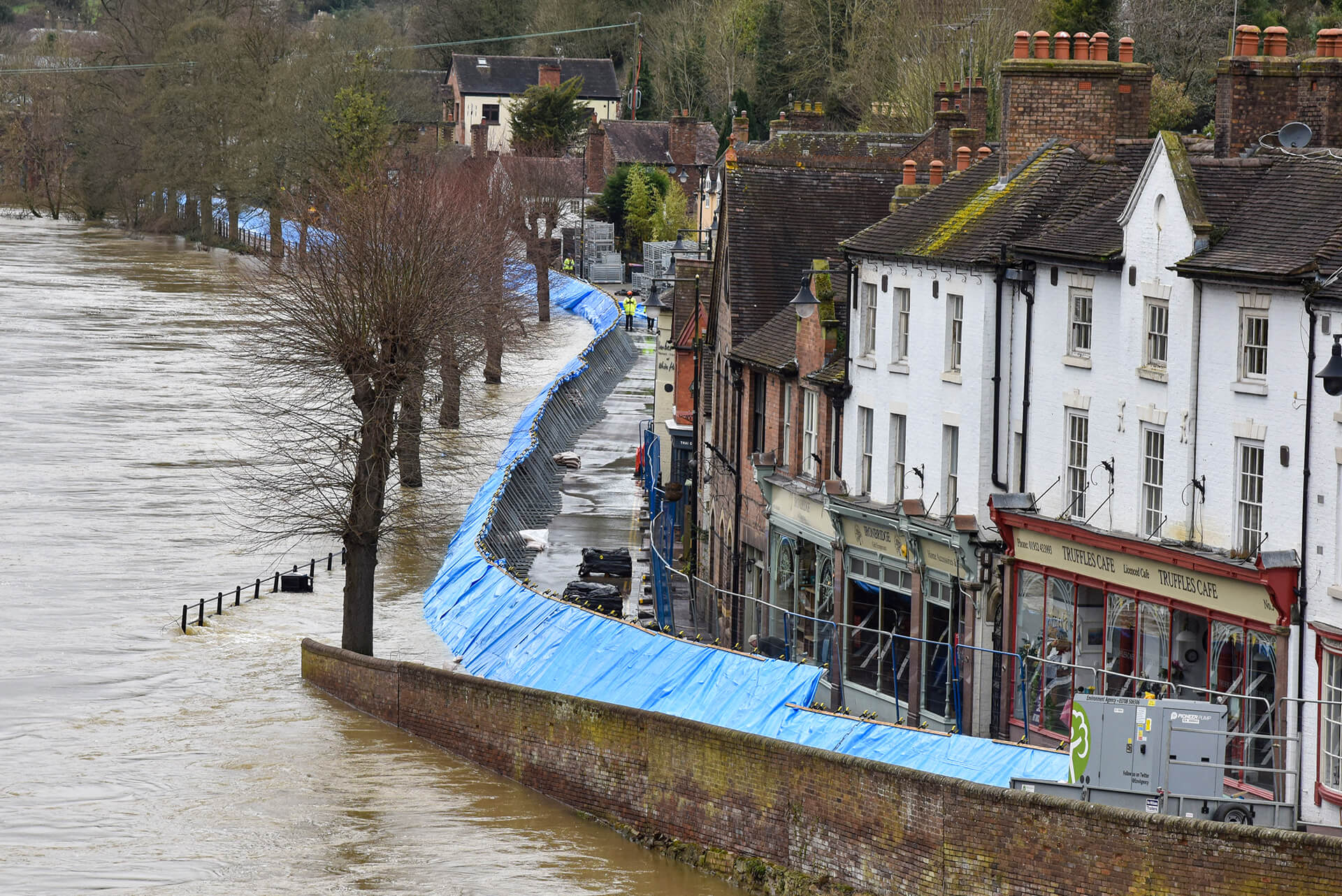
On 16 February 2020, as the flood threat grew, the Environment Agency deployed its Heavy Duty C122 and Heavy Duty C184 Geodesign flood barriers along the Wharfage in Ironbridge Gorge. It has put temporary barriers up on this stretch regularly since 2004.
The agency was concerned about the volume of runoff coming down from the upper reaches of the Severn in the Welsh uplands. Familiar with this pattern, it expected flooding in the Severn valley to continue for at least three more days. The situation across parts of the West Midlands was described as "unprecedented".
When the river pushed back
Levels kept rising. On the morning of 26 February, the river peaked at 6.79 m at the nearby Buildwas gauge. That day the Wharfage line came under more force than some sections could hold. Telford & Wrekin Council reported that the temporary barriers "became overwhelmed and started to move", and an emergency evacuation of the Wharfage followed. Environment Agency officials explained to ITV News that sections had been pushed backwards against the kerbstones behind them, and water began to seep underneath.
This part of the story matters. Heavy Duty barriers are free-standing: they rely heavily on friction with the ground to stay in place. If the surface beneath offers less grip than expected, a section can slide. Our guide to performance boundaries for temporary flood protection looks at these failure modes and how to plan around them.
Inspection and improvements
On 28–29 February, representatives of Geodesign Barriers Ltd carried out a detailed inspection with their associate Rob Thallon of Robert Nicholas Ltd, joined by Environment Agency staff. The inspection identified two main concerns:
- a new road camber had reduced friction under some sections of the barrier
- the plastic membrane was harder to lay correctly near trees, which could create weak points in strong river currents.
The team recommended adjustments to improve performance. Environment Agency staff then reinforced the set-up, while Geodesign representatives delivered on-site training focused on the issues found. Telford & Wrekin Council later resurfaced the Wharfage with a higher-friction material and a flatter profile sloping towards the river, to reduce the risk of the barriers slipping again.
Storm Jorge and removal
With Storm Jorge approaching, the authorities reinforced the barriers. On 1 March the severe flood warning was downgraded to a flood warning, and Telford & Wrekin Council expected the next peak, on 2 March, to be about a metre lower than the previous week's. Many local businesses began to reopen.
Storm Jorge was less intense than its predecessors, but its heavy rain and gusty winds fell on ground that was already saturated. The barriers were finally removed on 6–7 March 2020, after the flooding brought by storms Ciara, Dennis and Jorge.
The Heavy Duty flood barrier range covers the C122 and C184 models used here. A later Severn flood in the same town, over Christmas 2023, is described in how Geodesign barriers performed in an Ironbridge surge, and the Storm Dennis response in Ilkley shows the same month from West Yorkshire.
Lessons for Australian asset owners
Ironbridge shows that a temporary barrier has to be planned for the ground it stands on as much as for the expected water level. Australian councils and asset owners considering a deployable line can check the surface, crossfall and nearby trees along the exact alignment before an event, and rehearse deployment there. Linking deployment and evacuation triggers to river gauge forecasts and warning lead time – in Australia issued by the Bureau of Meteorology – gives teams time to act, and to step back when conditions go beyond what the barrier was designed for.