Protecting a headquarters beside the Seine
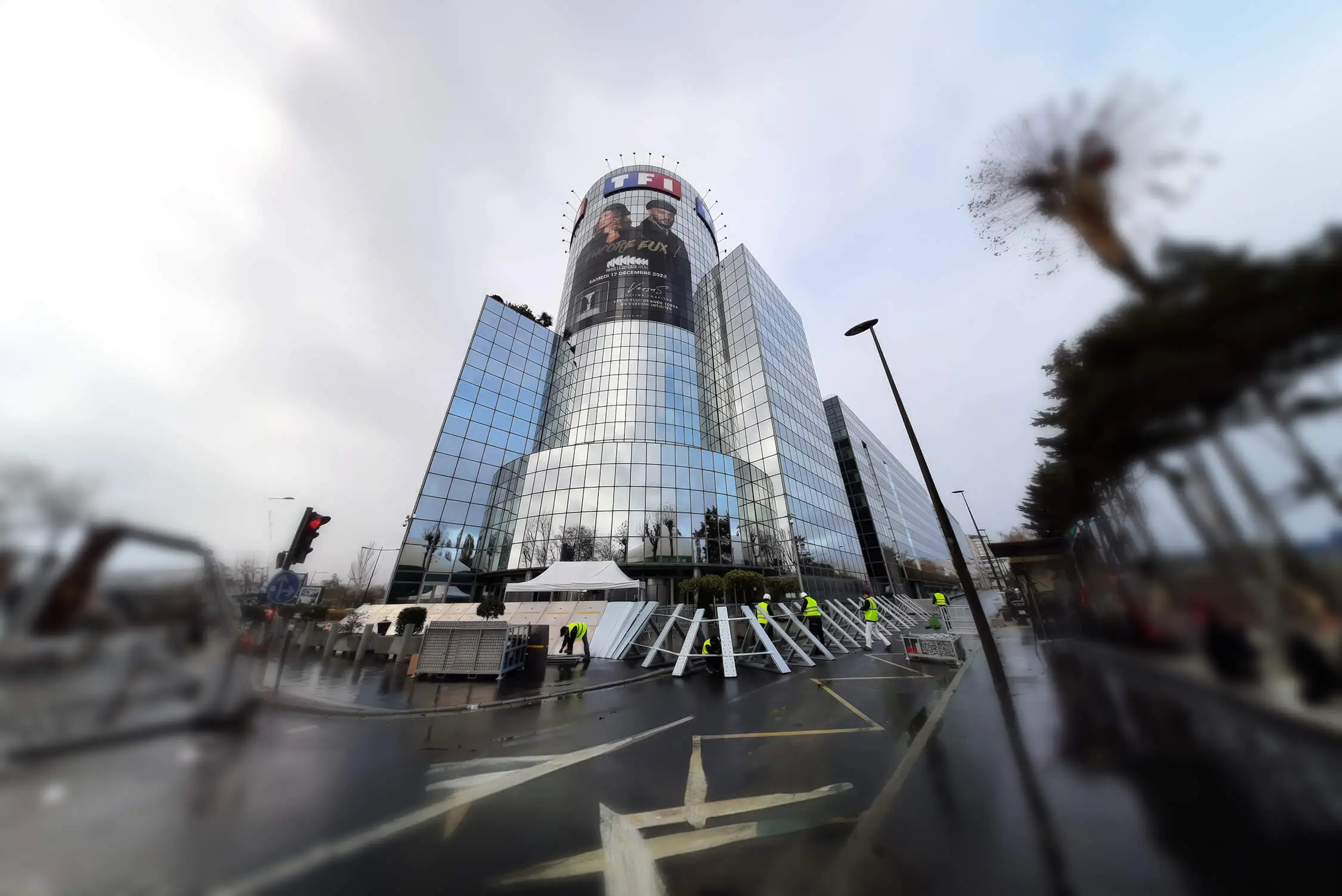
The November exercise tested the teams' ability to set up the barrier and how well it would protect the building if the river flooded.
The TF1 Tower stands in Boulogne-Billancourt, on the banks of the Seine. The tower, completed in 1992, houses the broadcaster's headquarters. The building is 59 metres tall, has 14 floors and a total floor area of 45,000 m², and is recognisable by its cylindrical form and reflective glass.
A building of this kind needs a flood plan that keeps staff safe and broadcasting running. For TF1, that plan includes a deployable barrier system and teams trained to install it.
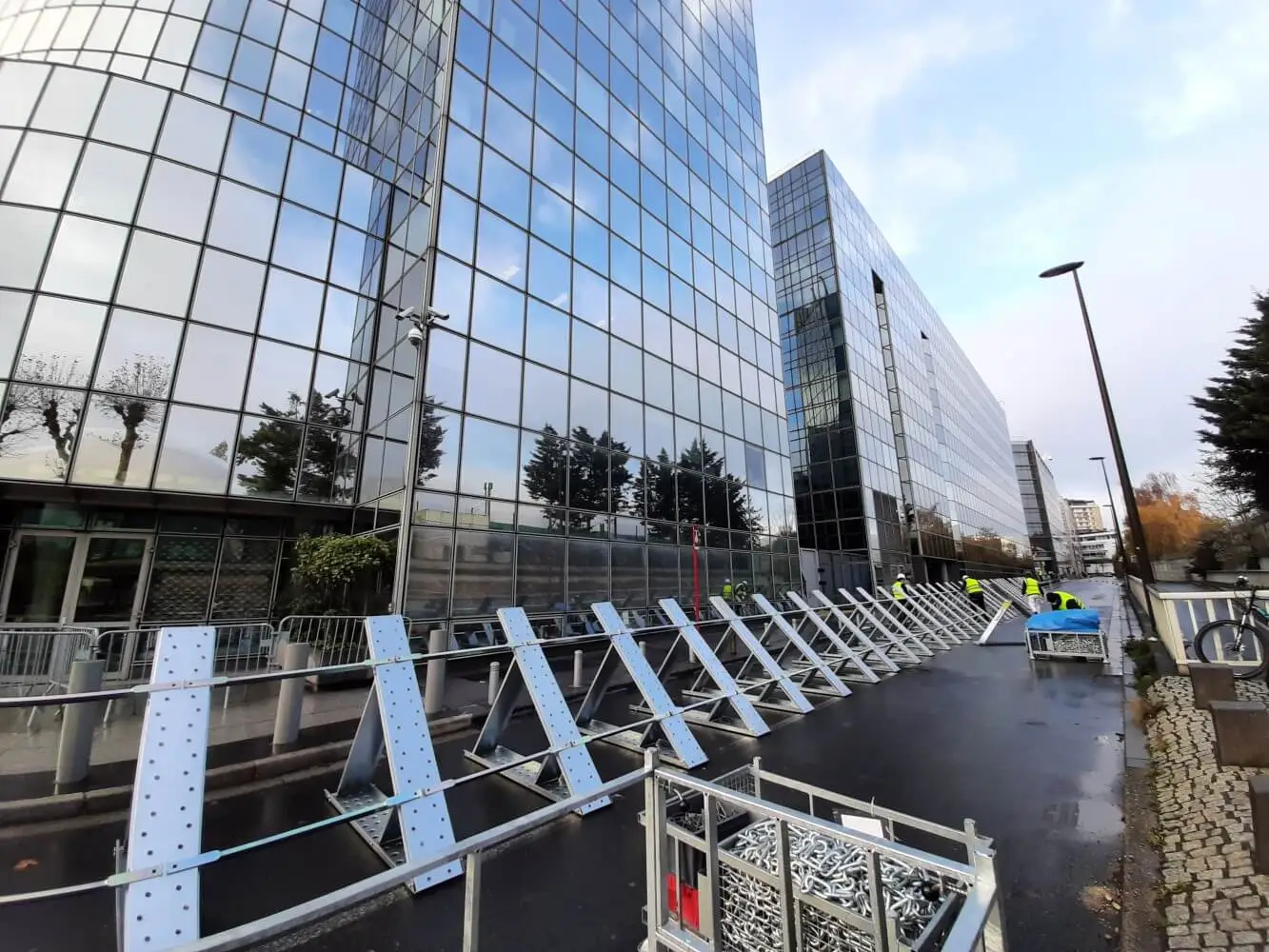
Why TF1 chose a Heavy Duty barrier
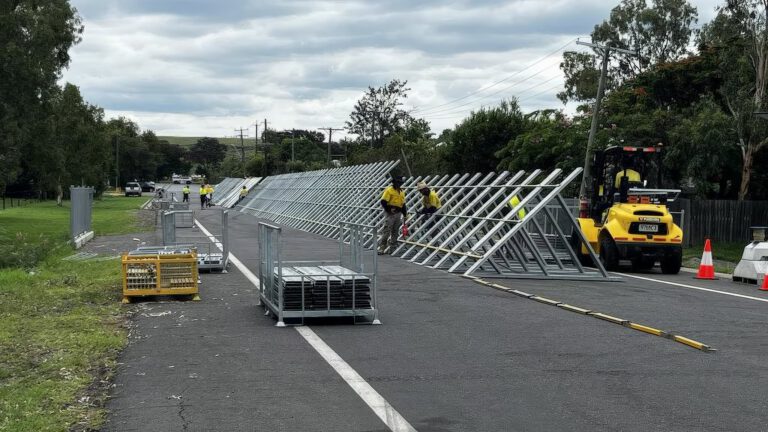
TF1 selected the Heavy Duty C152 barrier, a model from Geodesign's range designed for demanding flood conditions and relatively quick installation. The steel frames and panels are set up in sequence, and a membrane is rolled out over the structure to form the watertight face. Once in place, the barrier is held down by the weight of the floodwater.
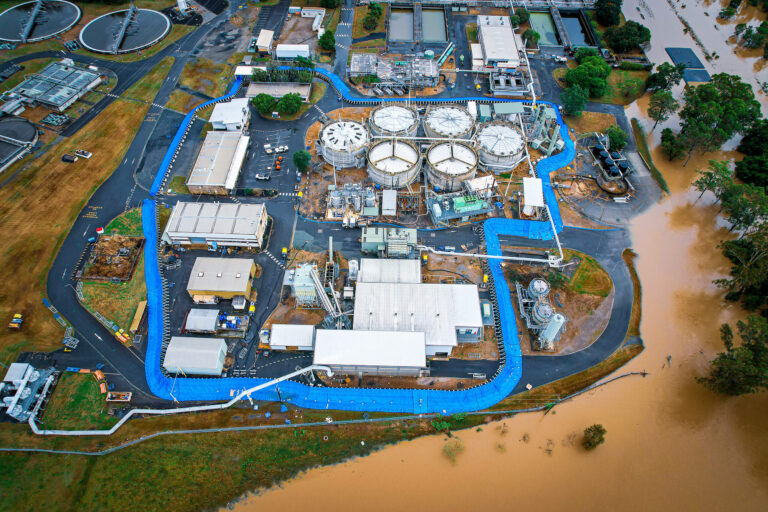
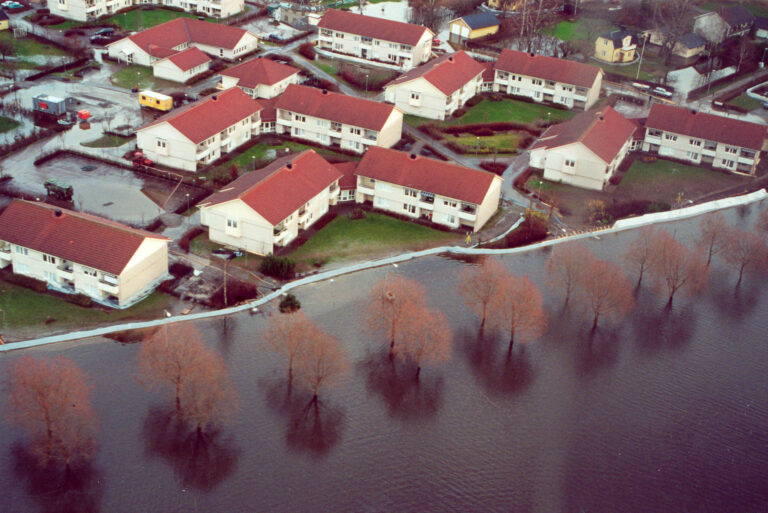
Unlike sandbags, the system can be dismantled, stored and reused, which is one of the reasons many organisations compare barriers with sandbag walls before they decide. Deployed around a building, a barrier line of this kind works as a temporary flood wall, holding back water to prevent damage.
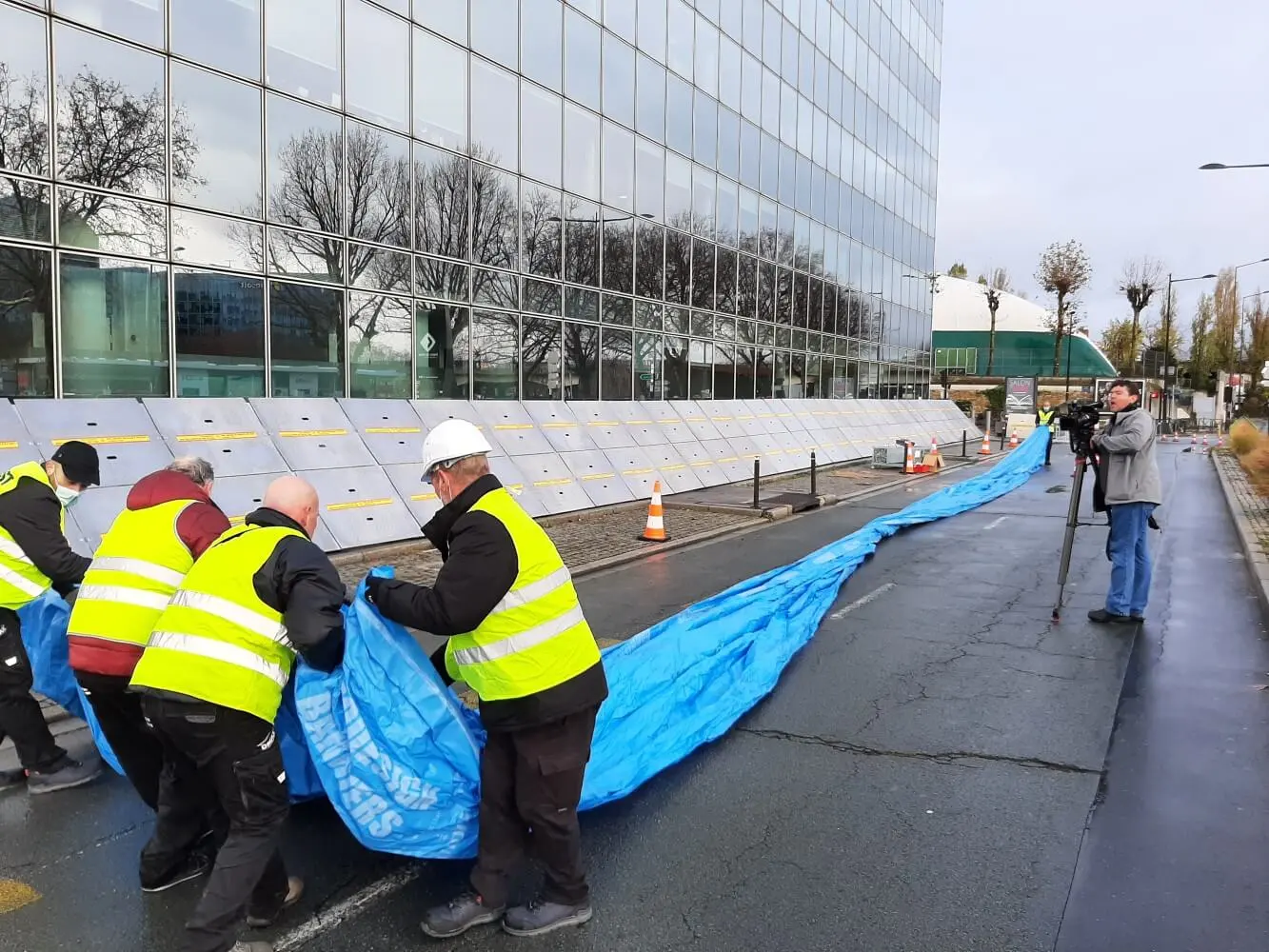
Training the teams on site
During the exercise, TF1's technical teams worked through each stage of deployment in front of the building: placing the frames, fitting the panels and rolling out the membrane. Practising on site means teams learn how long each step takes, where the difficult sections are and how many people are needed.
That knowledge is the foundation of a workable flood emergency response plan. Barriers only protect a building if people can install them correctly under time pressure.
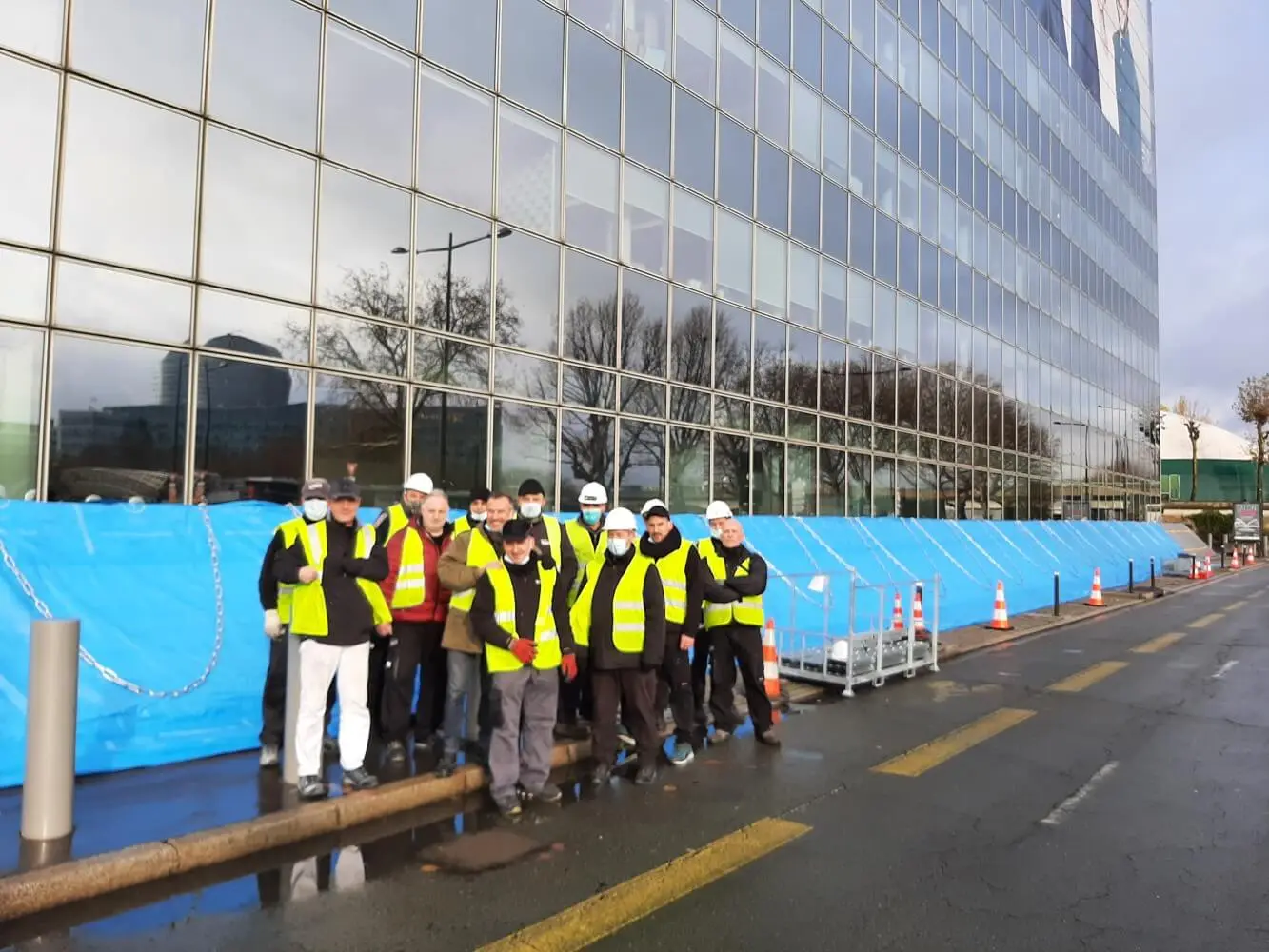
Commitment to flood preparedness
By buying its own barrier system and training the people who will use it, TF1 is preparing to keep broadcasting if the Seine floods. Other organisations in the Paris area have taken a similar approach – for example, the electricity distributor Enedis protecting an underground substation near the Pont de l'Alma.
What Australian building owners can take from TF1
For Australian owners and managers of occupied commercial buildings, TF1's approach highlights two points: a barrier system is only as effective as the team that deploys it, and on-site practice before any flood warning shows how long deployment really takes. Building regular drills into your emergency planning, and reviewing them with your local council and state or territory emergency service where relevant, helps turn equipment into protection.