A village that has flooded before
Ribchester is a village in the Ribble Valley in Lancashire, known for its Roman history. The Ribchester Arms, built in the early 1900s, has long been a meeting place for villagers.
On Boxing Day 2015, the River Ribble rose and the pub was badly damaged, forcing it to close for 101 days.
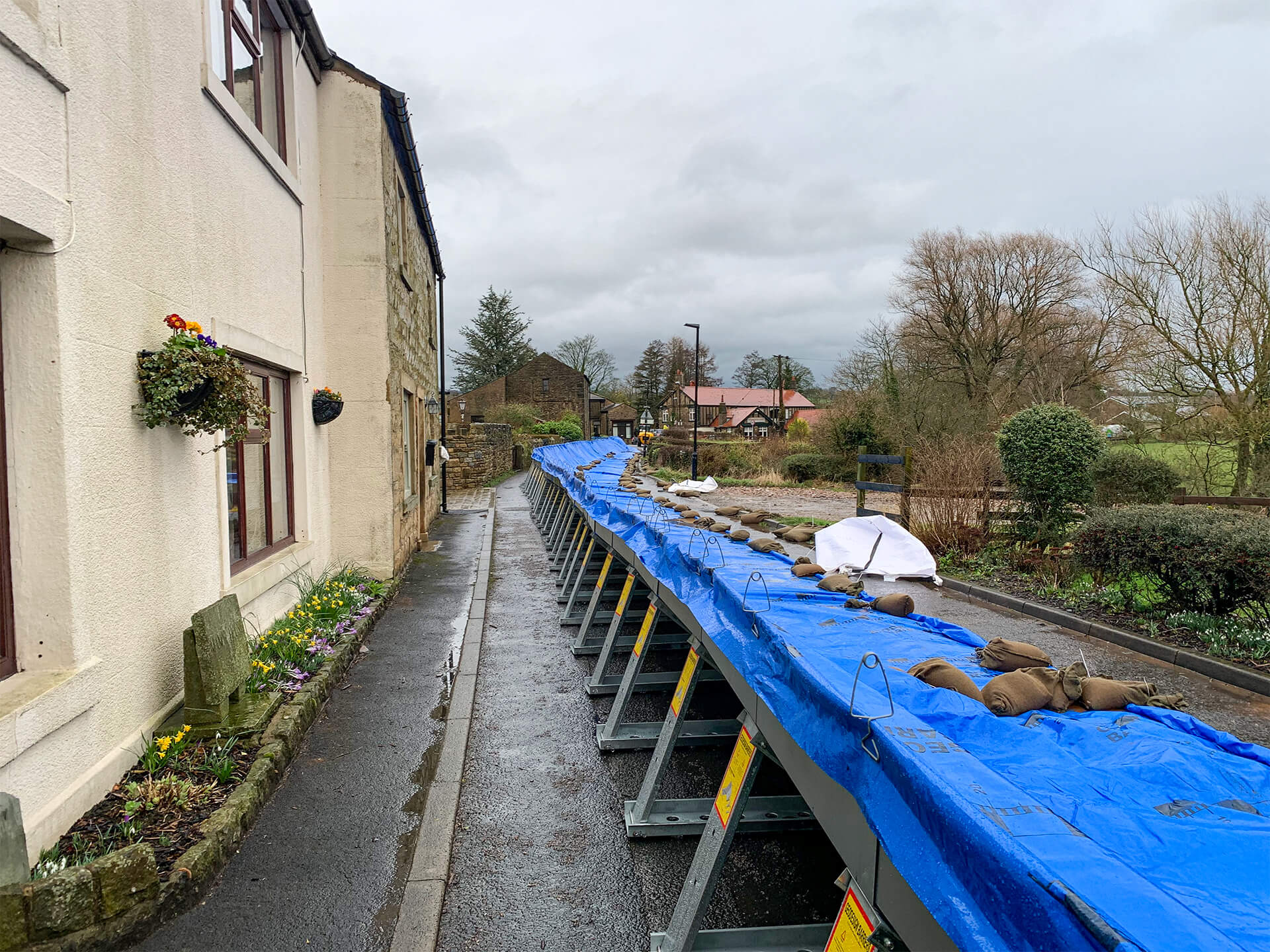
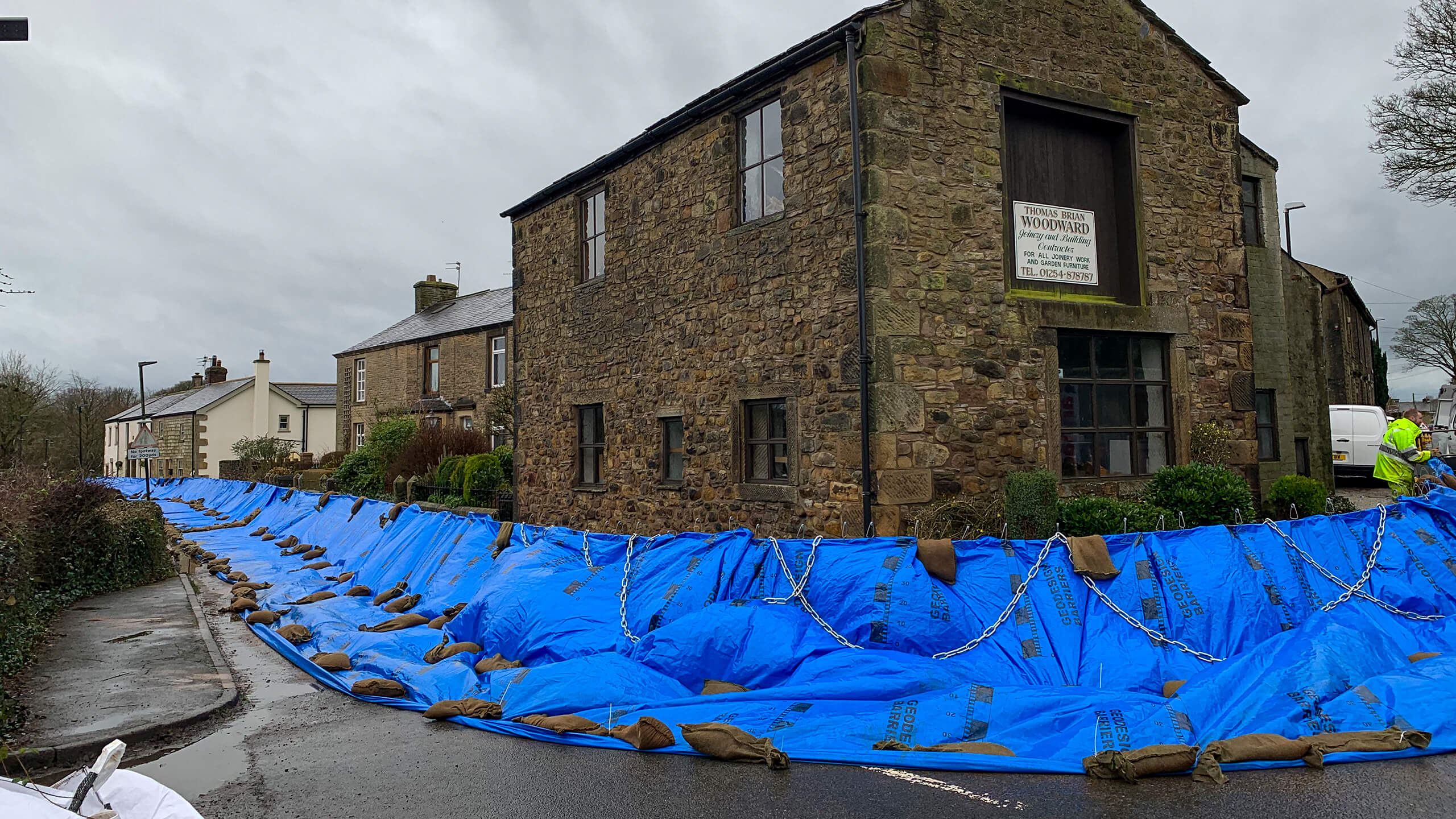
Barrier in place before Storm Dennis
Four years later, in early February 2020, the risk returned. With Storm Ciara approaching and more rain expected, the pub and several homes on Greenside faced another possible flood.
On 14 February, days before the expected heavy rain from Storm Dennis, the Environment Agency – with assistance from Geodesign – installed an Industrial P101 barrier in Ribchester. It was designed to protect 24 properties.
In the end, the floodwater did not reach the barrier, and it was dismantled on 16 February.
A wider regional effort
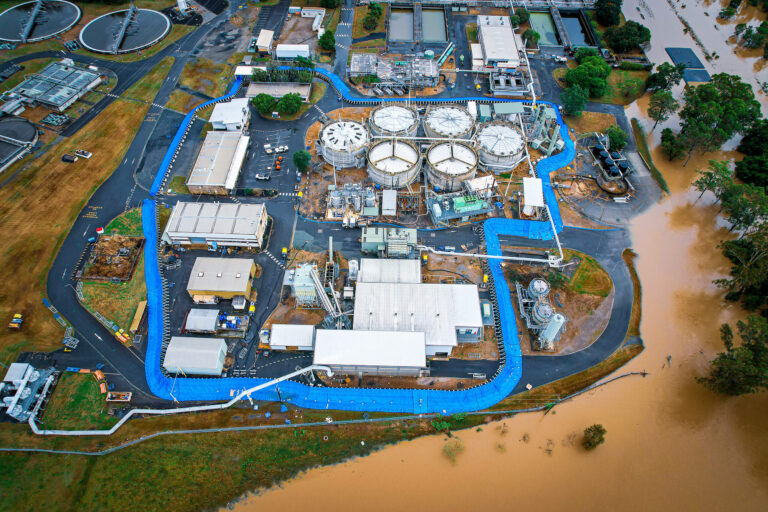
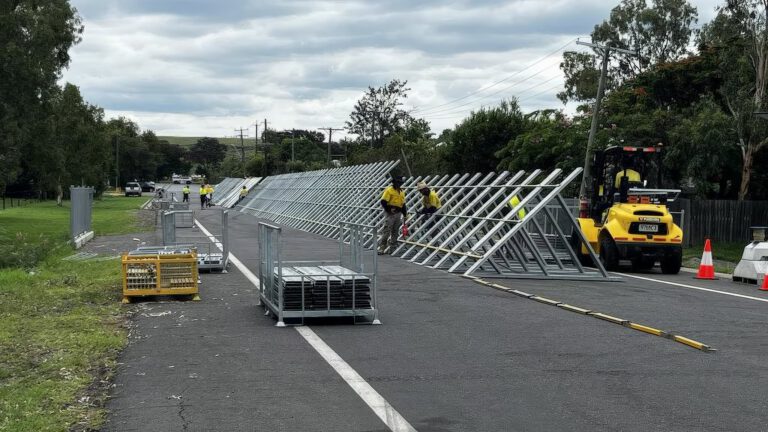
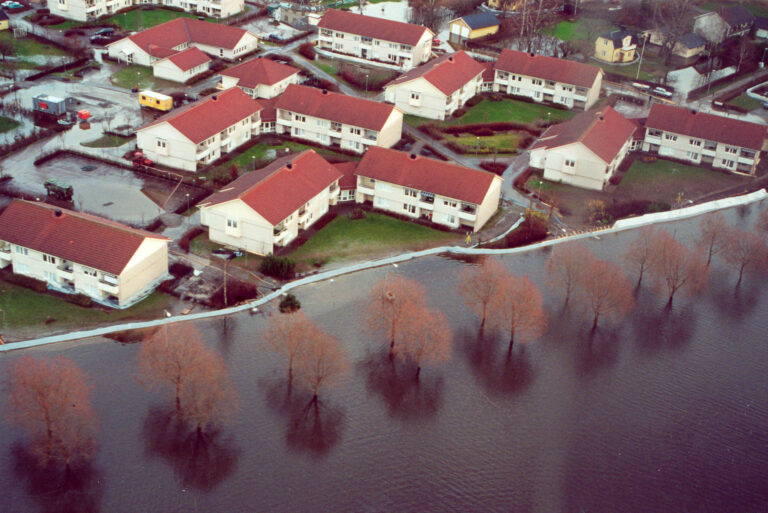
Ribchester was one of many places affected by the persistent rain. The Ribble, Calder and Derwent all set new records. In response to widespread flood warnings, the Environment Agency mobilised teams across the country to operate flood defences, deploy temporary pumps, clear debris and inspect and repair damaged defences. Its operational teams installed more than 6 km of temporary flood barriers at vulnerable locations.
Lessons for riverside communities and businesses
- A closure can cost more than the damage. A pub closed for 101 days loses trade long after the water has gone.
- Deploy on the forecast. A barrier that is not reached by the water is still the right decision.
- Think regionally. When several rivers rise at once, equipment and crews need to be planned across many sites. Nearby Billington was protected the same week.